

Last Updated on June 4, 2026 by Admin
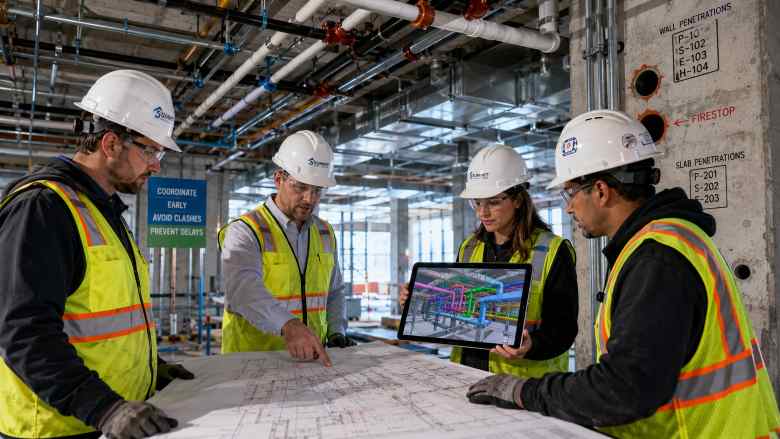
With construction delays in the industry and commercial sector, there is not usually any single cause of delay. Instead, they occur due to small issues in plumbing coordination which accumulate over time. The path of plumbing pipes becomes obstructed by ductwork. The installation of plumbing drains interferes with the positioning of machines. Plumbing piping must be changed after wall closure. Finally, one trade completes its job only for another to tear it down again.
ConstructionCareerHub App is LIVE — built ONLY for construction careers. Don’t apply with a weak resume.
Get ATS-ready Resume Lab + Interview Copilot + Campus Placement Prep (resume screening, skill gaps, interview readiness) — in minutes & Other advanced features.
Explore Smarter Construction Career Tools →Quick check. Big impact. Start now.
In projects where such elements as mechanical rooms, utility rooms, bathrooms, kitchens, production facilities or large-scale tenant improvements are involved, plumbing coordination is especially critical. This is when Binsky’s industrial plumbing services provide an example of how plumbing is related to HVAC, electrical, drain cleaning, backflow protection, water line repair, hot water plumbing and emergency services.
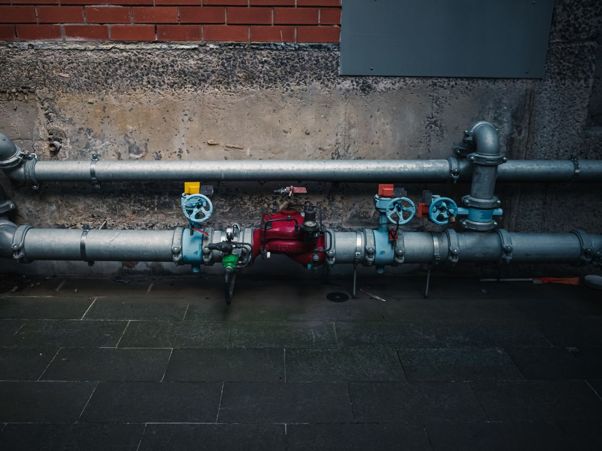
Table of Contents
Plumbing goes beyond water distribution
Many view plumbing as being associated with pipes that are visible from the fixture such as the sink, toilet, floor drain, and water heater. But in real sense on the jobsite, plumbing is not only an issue concerning pipes but affects a lot of other factors like the floor plan, ceiling space, accessibility, slab penetrations, walls, mechanical room, and even future maintenance.
For instance, in cases where there is an industrial installation, plumbing might have to be responsible for supplying water to the processes involved like the processing lines, boilers, laboratories, warehouse, kitchen, and the washroom for several workers.
One of the problems usually encountered is pipe routing. This aspect includes room required by the piping, slope required by the drains, access for valves, room for servicing the water heaters and boilers, backflow preventers’ testing and servicing. Ignoring these aspects may result in redesign and reworking of the project.
Effective coordination benefits all parties involved, helping them look at the facility as a complex system. Plumbing does not operate separately, but cooperatively with HVAC, electricity, fire protection, structural designs, concrete works, ceiling, walls, and finishes.
Planning helps save time in the schedule
It would be most efficient to work out the issues concerning plumbing before crews start doing the actual work on-site. As soon as the material is on-site, everything takes more time and costs more money.
The plumbing scope must be reviewed during the pre-construction phase in connection with all elements of the entire building layout: fixtures, mechanical rooms, floor drains, roof drains, domestic water mains, sanitary piping, venting, equipment tie-ins, hot water requirements, and service accesses.
A simple coordination checklist can help:
- Review pipe routes before framing and slab work
- Confirm drain locations before concrete pours
- Verify valve, heater, pump, and backflow prevention system access
- Coordinate plumbing with HVAC and electrical panel needs
- Pinpoint where video or leak testing may be needed
- Plan shutdowns carefully when working in existing buildings
- Keep emergency service plans ready during active renovation
This kind of planning does not remove every surprise, because construction always has unknowns. It does reduce the number of avoidable problems.
For example, if a facility is adding a new production area, plumbing needs may include water supply, waste lines, floor drains, equipment connections, and possible hot water demand. If those needs are reviewed only after equipment is selected, the building may need extra changes. When they are reviewed early, the team can place lines, drains, and access points in smarter locations.
Existing buildings need extra attention
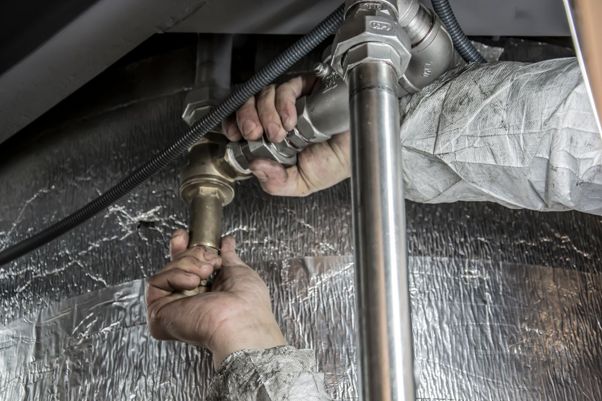
New construction gives teams more control. Existing buildings are different. Old drawings may be incomplete. Pipes may run through unexpected places. Previous repairs may have changed the original layout. Underground leaks or damaged drains may already exist before the renovation begins.
That is why retrofit projects should include investigation before major work starts. Video scoping can show the condition of drain lines. Leak detection can help locate hidden water problems. Backflow devices can be checked before the building depends on them during a new phase of use. Water heaters and boilers can be inspected to confirm whether they can handle the new demand.
In tenant improvement projects, this matters even more. A new tenant may use the space in a different way. A warehouse may become a food production space. An office area may become a clinic. A light industrial space may need more wash stations, drains, or hot water capacity.
Small plumbing assumptions can turn into real delays. In the case of severely damaged drainage piping, the whole project should be redesigned. Low pressure makes it impossible for the devices to function. If a hot water system is undersized, the building may struggle after opening.
Coordination helps service teams later
Construction teams often focus on the handover date. Facility managers think about what happens after that date. Good plumbing coordination supports both.
A system may look fine on day one, yet become difficult to maintain if access was ignored. Valves hidden above hard ceilings, tight mechanical rooms, poorly placed cleanouts, and blocked equipment panels can make future service harder. When something fails, technicians need safe and practical access.
This is especially true for industrial plumbing systems because maintenance is part of normal life in the building. Drains will need cleaning. Backflow preventers will need testing. Water heaters and boilers will need service. Pumps, valves, and faucets will require maintenance sooner or later.
Well-coordinated work provides enough space for working. Besides, it offers more documentation for the owner, better shutoff identification, and easier inspection.
Less disruption can occur once the building is occupied. There would be fewer callbacks and even a more efficient close-out process for the contractors.
Plumbing and emergency planning complement each other
The most excellently planned and efficiently erected building cannot escape possible emergencies. Pipes bursting, drainage back-ups, problems with the water heater, and leakage from pipes in the ground are but some of the emergencies that may occur in buildings, whether they be during construction or renovation periods.
Having an emergency plan for renovation involves knowing who needs to be contacted, where all the valves must be shut off, and how the work area must be covered should any emergency occur due to plumbing.
Especially in the case of an occupied building, it is essential to have such an emergency plan since it affects day-to-day activities. It is especially necessary when the emergencies occur in areas like restrooms, kitchens, production areas, and tenant spaces.
Prompt emergency services involve much more than timing. It is also about understanding the building. A technician who works with commercial and industrial systems can diagnose problems faster because they know how these systems connect.
A smoother project starts behind the walls
Coordination with regard to plumbing can never be considered exciting; however, such coordination often makes the difference between having an efficient project and an inefficient one. Pipes for plumbing, water draining, heating, valves, and backflow preventers will not be visible after the completion of construction works, and therefore need to be planned beforehand.
The point is absolutely clear for the management of construction projects. Integrate plumbing early on in the process, review plans prior to installation, research any plumbing in place prior to a renovation, ensure adequate access for service providers, and make preparations for an emergency in advance of it occurring.
If a project takes into account the importance of plumbing from the very beginning, then it is bound to result in many benefits.
Related Posts:
- DIY Plumbing Or Professional Plumbing Services: Which One Works For You?
- The Essential Guide to Plumbing Services
- When Trouble Strikes: How an Emergency Plumber and Melbourne Plumbing and Drainage Solutions Can Save the Day
- 4 Plumbing Issues in Older Properties and How to Fix Them
- The Art of Plumbing – Crafting a Seamless Upgrade for Your Home
