

Last Updated on July 31, 2026 by Admin
Creating a beautiful home is about more than selecting colours and décor. The materials you choose play a major role in how your space looks, feels, and performs over time. From flooring and countertops to windows and doors, every decision affects durability, maintenance, comfort, and overall design.
ConstructionCareerHub App is LIVE — built ONLY for construction careers. Don’t apply with a weak resume.
Get ATS-ready Resume Lab + Interview Copilot + Campus Placement Prep (resume screening, skill gaps, interview readiness) — in minutes & Other advanced features.
Explore Smarter Construction Career Tools →Quick check. Big impact. Start now.
Finding the right balance between style and performance allows you to create a home that not only looks impressive but also supports your lifestyle for years to come.
Table of Contents
Prioritise Long-Term Value
While it’s tempting to focus on appearance alone, high-quality materials often prove to be the better investment. Durable surfaces may cost more initially, but they typically require fewer repairs, less maintenance, and have a longer lifespan.
For example, engineered stone countertops, hardwood flooring, and powder-coated aluminium fixtures offer both visual appeal and excellent durability. Choosing materials that can withstand daily wear helps preserve your home’s appearance while reducing long-term maintenance costs.
Match Materials to Their Environment
Every area of the home has different demands. Kitchens, bathrooms, entryways, and outdoor spaces are exposed to moisture, heavy foot traffic, and changing temperatures, making material selection especially important.
Water-resistant flooring works well in bathrooms, while scratch-resistant surfaces are ideal for busy kitchens. Exterior materials should be able to handle changing weather conditions without fading, warping, or corroding. Selecting products designed for their intended environment ensures lasting performance without sacrificing style.
Balance Natural and Modern Finishes
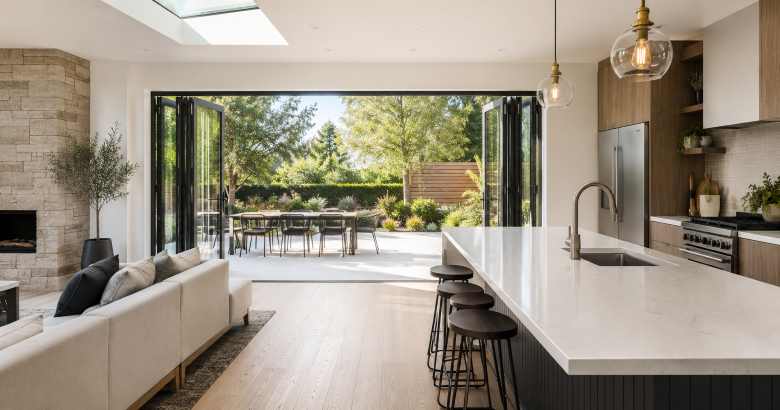
One of the easiest ways to create visual interest is by combining natural textures with contemporary materials. Wood introduces warmth and character, while glass, metal, and stone provide clean lines and a modern finish.
This combination creates balanced interiors that feel inviting without becoming overly rustic or overly industrial. Mixing textures also adds depth, allowing each material to complement rather than compete with the others.
Neutral colour palettes paired with varied materials often remain stylish for many years, making them a smart choice for homeowners seeking timeless design.
Consider Maintenance Requirements
Some materials demand significantly more upkeep than others. Before making a final decision, think about how much maintenance you’re realistically willing to perform.
Natural stone may require periodic sealing, while certain woods need refinishing over time. In contrast, porcelain tile, quartz surfaces, and aluminium frames generally require minimal maintenance to maintain their appearance.
Selecting low-maintenance materials can free up time while helping your home continue looking polished with minimal effort.
Energy Efficiency Matters
Performance isn’t limited to durability. Energy efficiency is another important factor when selecting building materials.
Modern windows, insulated doors, and thermally efficient framing systems can improve indoor comfort while helping reduce heating and cooling costs throughout the year. Better insulation also minimises drafts, making living spaces more comfortable regardless of the season.
For homeowners looking to improve both aesthetics and efficiency, products like NOW Aluminium bifold doors offer slim sightlines, generous natural light, and excellent thermal performance while creating a seamless connection between indoor and outdoor spaces.
Think Beyond Current Trends
Design trends come and go, but quality materials remain attractive for decades. Rather than choosing finishes solely because they’re fashionable, consider whether they’ll still complement your home in five or ten years’ time.
Classic materials like oak, natural stone, brushed metal, and neutral-toned ceramics tend to age gracefully. Pairing timeless materials with smaller decorative updates allows your home to evolve without requiring major renovations.
This approach also supports better resale value, as broadly appealing finishes attract a wider range of future buyers.
Create a Home That Performs Beautifully
The most successful interiors are those where appearance and functionality work together. Every material should contribute to both the visual design and the everyday performance of the space.
By considering durability, maintenance, energy efficiency, and timeless appeal alongside aesthetics, you can make confident choices that support your lifestyle while enhancing your home’s overall character. When style and performance are given equal importance, the result is a home that remains beautiful, practical, and enjoyable for years to come.
Related Posts:
