

Last Updated on July 31, 2026 by Admin
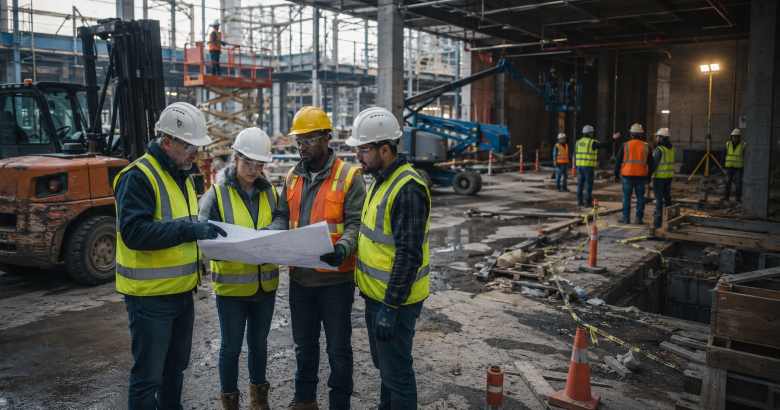
A construction site is a chain of decisions, and one weak link can affect everyone working around it. Safety problems do not always begin with a worker’s action. Poor planning, unsafe equipment, weak communication, and site conditions can quietly create risks before an injury occurs. Looking beyond worker mistakes helps reveal the wider factors that may contribute to construction accidents.
ConstructionCareerHub App is LIVE — built ONLY for construction careers. Don’t apply with a weak resume.
Get ATS-ready Resume Lab + Interview Copilot + Campus Placement Prep (resume screening, skill gaps, interview readiness) — in minutes & Other advanced features.
Explore Smarter Construction Career Tools →Quick check. Big impact. Start now.
For injured workers, reviewing these details can provide a clearer picture of what happened and may help them understand their options for seeking legal help after a construction site injury. Here are some overlooked causes that often play a role in construction injuries and why they deserve attention.
Table of Contents
Construction Site Planning Problems Can Create Hidden Risks
A construction project depends on careful planning before workers step onto the site. Missing details during the planning stage can create dangerous conditions that are not always obvious during daily operations. A poorly organized work area, unclear task assignments, or a lack of proper safety preparation can increase the chances of accidents.
Workers may follow instructions correctly and still face risks caused by decisions made earlier. For example, placing equipment in unsafe areas, failing to plan traffic routes, or ignoring possible hazards during project preparation can affect everyone on the site. Safety starts before the first tool is used, and planning mistakes can have lasting effects.
Inadequate Training Can Leave Workers Unprepared
Training is one of the main ways workers learn how to handle equipment, follow procedures, and recognize hazards. However, incomplete or rushed training can leave employees without the knowledge needed to respond safely in certain situations.
A worker may understand basic job duties but still lack information about new equipment, changing site conditions, or specific safety procedures. Regular training helps ensure workers receive updated information as projects and responsibilities change.
Construction injuries are not always caused by carelessness. Sometimes, they happen because workers were not given enough guidance about the risks connected to their tasks. Reviewing training records and safety practices may also be part of seeking legal help after a construction site injury.
Equipment Problems Can Lead to Serious Accidents
Tools and machinery are essential parts of construction work, but they must be properly maintained and used correctly. Equipment failures can create serious dangers, even for workers who follow all required steps.
Damaged parts, delayed repairs, and outdated machinery can increase the chance of accidents. A worker operating equipment may not know there is a problem until something goes wrong. Regular inspections and maintenance help identify issues before they become major safety concerns.
Employers and site managers have responsibilities related to equipment safety, but other factors such as improper installation or poor supervision may also contribute to dangerous conditions.
Poor Communication Can Increase Workplace Dangers
Construction sites involve many workers, contractors, and supervisors working together. Clear communication helps everyone understand their responsibilities and stay aware of changing conditions.
Problems can occur if safety warnings are not shared, instructions are unclear, or different teams are not properly coordinated. A worker may enter an area without knowing about a nearby hazard or begin a task without receiving important updates.
Communication failures are often overlooked because they are not as visible as physical hazards. However, a simple missed message or unclear instruction can create conditions where accidents become more likely.
Unsafe Site Conditions Are More Than Worker Decisions
The condition of the construction site itself can influence accident risks. Uneven surfaces, poor lighting, cluttered walkways, exposed hazards, and unsafe work areas can all contribute to injuries.
Workers may take reasonable steps to complete their duties, but they still depend on having a safe environment. A construction site requires ongoing attention because conditions can change throughout the day as new materials arrive and different tasks begin.
Some of the commonly overlooked site factors include:
- Poor housekeeping that creates trip and fall hazards
- Lack of warning signs around dangerous areas
- Improper storage of tools and materials
- Unsafe access points or pathways
- Limited safety barriers around work zones
These issues show why looking only at worker actions may not provide the full picture of a construction accident.
Supervision and Safety Enforcement Matter
Supervisors play an important role in maintaining safe work conditions. Their decisions affect how safety rules are followed and how quickly problems are addressed.
A workplace may have safety policies on paper, but those rules must also be properly enforced. Ignoring repeated hazards, failing to correct unsafe practices, or not responding to employee concerns can allow risks to continue.
Strong supervision does not remove every possible danger, but it helps create a workplace where safety concerns are noticed and handled before they lead to injuries.
Conclusion
Construction safety depends on more than individual actions. A worker’s choices matter, but the environment, systems, and decisions surrounding the job also influence accident risks. Planning problems, equipment concerns, poor communication, and weak safety practices can create dangers that are easy to miss.
Preventing construction injuries requires attention to every part of the workplace, not just worker behavior. For those affected by an accident, reviewing the complete situation with a construction injury lawyer can help identify the different factors connected to what occurred. Understanding these overlooked risks creates a clearer view of workplace safety.
Related Posts:
- Private Wells: Economical Bargains or A Hidden Danger?
- Can You Predict the Future? How Construction Management Courses Teach Students to Spot Danger
- The Silent Career Killers in Construction – And How to Avoid Them
- 6 Common Plumbing Mistakes in Construction Projects and How to Avoid Them
