

Last Updated on June 27, 2026 by Admin
Construction sites are busy environments where many people and companies work together.
ConstructionCareerHub App is LIVE — built ONLY for construction careers. Don’t apply with a weak resume.
Get ATS-ready Resume Lab + Interview Copilot + Campus Placement Prep (resume screening, skill gaps, interview readiness) — in minutes & Other advanced features.
Explore Smarter Construction Career Tools →Quick check. Big impact. Start now.
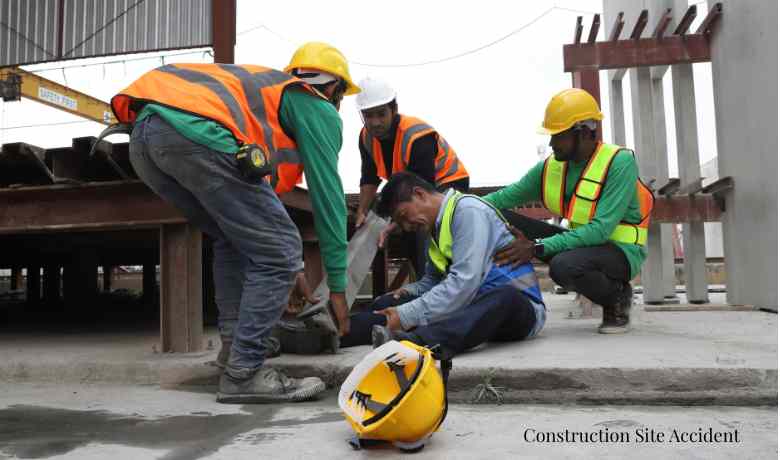
Because of this, serious accidents are rarely caused by one person alone. A fall, equipment failure, or collapsing structure may involve several parties with different responsibilities. Understanding who may be responsible is important because liability affects how compensation claims are handled. In many cases, determining fault requires a detailed investigation of the entire project. A skilled construction defects attorney can help examine the facts and identify everyone who may have contributed to the incident.
This process is especially important when injuries are severe or when families pursue claims involving wrongful death.
Table of Contents
Why Serious Construction Accidents Often Involve More Than One Responsible Party
Construction projects bring together property owners, contractors, subcontractors, suppliers, and equipment companies. Each party has a different role in maintaining safety and following regulations.
Because responsibilities overlap, accidents often occur due to multiple failures rather than one mistake. A dangerous condition may be ignored by one company while another fails to correct it.
Investigators look at the entire worksite to determine which actions or failures contributed to the accident. This approach helps create a clearer picture of responsibility.
The Main Parties That May Share Responsibility for a Construction Site Accident
Property Owners
Property owners are responsible for maintaining safe conditions and addressing hazards they know about. If they fail to correct unsafe areas or ignore known dangers, they may share liability.
General Contractors
General contractors coordinate the project and oversee daily operations. They are expected to enforce safety rules and ensure workers follow proper procedures.
If inspections are neglected or dangerous conditions are allowed to continue, contractors may become responsible for resulting injuries.
Subcontractors
Different subcontractors perform specialized tasks. One crew’s actions may create hazards for another.
Improper scaffolding, unsafe electrical work, or poor communication between teams can lead to accidents involving multiple companies.
Equipment Manufacturers and Suppliers
Defective machinery or faulty construction materials can also contribute to serious incidents.
If a crane, ladder, or power tool fails because of a manufacturing defect, the company that designed or supplied the product may share responsibility.
How Third Parties Can Become Part of a Construction Accident Claim
Not every responsible party works directly on the project. Delivery companies, maintenance providers, and outside vendors may also play a role.
For example, materials delivered improperly may create dangerous conditions. Security companies that fail to protect hazardous areas may also contribute to accidents.
Architects, engineers, and inspectors may become involved if design problems or overlooked safety violations contributed to the incident.
Because so many groups participate in construction projects, liability sometimes extends beyond the immediate work crews.
What Makes Determining Liability So Complicated After a Serious Construction Accident
Overlapping Duties and Responsibilities
Construction projects involve contracts and multiple layers of supervision. This makes it difficult to determine who controlled the dangerous condition that caused the injury.
Different companies may have shared responsibilities, making fault more complicated than in ordinary accidents.
Changing Conditions at Construction Sites
Construction sites change constantly. Hazards may disappear quickly because work continues after the accident.
Repairs, cleanup, and ongoing construction can remove important evidence. This is why early investigation is so important.
Photographs, witness statements, and records collected immediately after the incident often become critical pieces of evidence.
Conflicting Accounts and Insurance Disputes
Companies and insurers may disagree about who should be responsible. One party may blame another to avoid financial responsibility.
These disputes can delay claims and make investigations more challenging.
Accurate records and thorough reviews help establish what actually happened and who should be held accountable.
How Shared Liability Affects Compensation for Victims and Families
When several parties are involved, compensation may come from multiple insurance policies. This can increase the resources available to cover medical expenses and other losses.
Fault may also be divided among responsible parties. Each company or individual may contribute based on their percentage of responsibility.
Identifying every liable party is important because missing one source of recovery could reduce available compensation.
Why Early Investigation Plays a Critical Role in Multi-Party Cases
Construction sites are constantly changing, which means evidence can disappear quickly.
Witness statements, photographs, equipment records, and inspection reports help investigators determine how the accident occurred.
A skilled construction defects attorney can work quickly to preserve this information and identify everyone involved.
Early action often makes the difference between a strong case and one that becomes difficult to prove.
Conclusion
Serious construction accidents rarely involve only one negligent party. Property owners, contractors, subcontractors, manufacturers, and outside companies may all share responsibility.
Because liability can be spread across several parties, careful investigation is essential. Understanding who contributed to the accident helps injured victims and families pursue fair compensation and hold all responsible parties accountable.
Related Posts:
- Insurance and Liability in Construction: A Comprehensive Guide for Global Construction Professionals
- How to Detect Water Leaks Before They Damage Your Property
- Roof Repairs in Lane Cove and Chatswood: A Homeowner’s Guide
- Liability Coverage | Contractors Liability
- What are the Best Job Opportunities for Construction Management?
