

Last Updated on June 13, 2026 by Admin
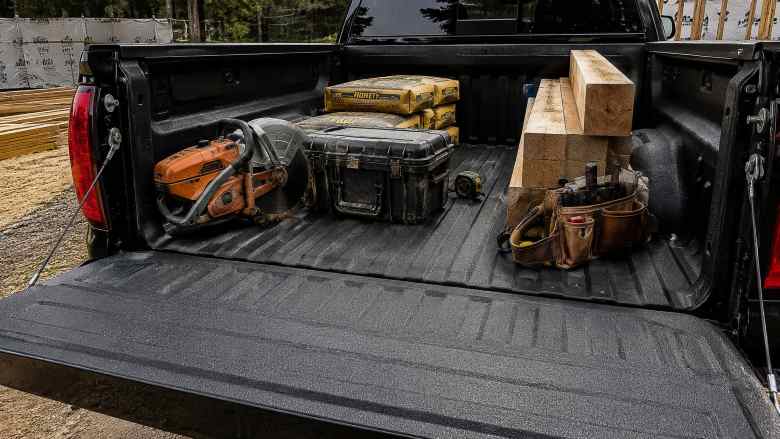
If you own a pickup truck, you already know the bed takes a beating. Toolboxes slide around, gravel bounces in on the way back from the quarry, lumber scuffs the metal, and weekend hauls leave scratches that seem to multiply on their own. After a few years of that kind of use, an unprotected truck bed starts to look rough — and more importantly, it starts to rust.
ConstructionCareerHub App is LIVE — built ONLY for construction careers. Don’t apply with a weak resume.
Get ATS-ready Resume Lab + Interview Copilot + Campus Placement Prep (resume screening, skill gaps, interview readiness) — in minutes & Other advanced features.
Explore Smarter Construction Career Tools →Quick check. Big impact. Start now.
That’s where a quality bedliner comes in. Far from being a luxury, bed protection is one of the smartest investments a truck owner can make. It preserves the vehicle’s resale value, prevents costly corrosion, and keeps your cargo from sliding around like it’s on an ice rink. But with so many options on the market — drop-in liners, DIY roll-ons, and professional spray-on systems — knowing which route to take can feel overwhelming.
This guide breaks it all down, from the basics of what a bedliner actually does to the finer details most people never think about until it’s too late.
Table of Contents
Why Truck Beds Take More Abuse Than You’d Think
Most truck owners underestimate just how much punishment a bed endures over its lifetime. It’s not just the heavy loads. UV radiation breaks down bare metal and painted surfaces slowly but relentlessly. Temperature swings cause metal to expand and contract, which loosens paint adhesion over time. Moisture gets trapped in seams and corners, and once rust takes hold, it spreads fast.
Even light everyday use creates micro-abrasions in factory paint. A bag of mulch, a mountain bike, a pallet of bricks — every load that slides in or out grinds against the surface. Over time, those small scratches become pathways for water and salt to reach bare metal.
A proper bedliner cuts all of that off at the source. It creates a physical barrier between the elements and your truck’s metal, absorbing impact and repelling moisture before damage can start.
Drop-In Liners vs. Spray-On Bedliners: The Key Differences
Walk into any truck accessories shop and you’ll find plastic drop-in liners stacked near the door. They’re inexpensive, they look decent right out of the box, and installation takes about ten minutes. But that convenience comes with a real trade-off.
Drop-in liners are rigid plastic shells that sit inside the bed rather than bonding to it. Because they don’t attach firmly to the surface, they can shift when cargo moves — and underneath that liner, moisture gets trapped between the plastic and the metal. That hidden moisture is exactly where rust gets started. Many truck owners have pulled out an old drop-in liner only to find significant corrosion underneath it that had been developing for years.
Spray-on bedliners work differently. The coating is applied directly to the prepared metal surface and bonds chemically to it. There’s no gap for moisture to collect, no movement under heavy loads, and no way for the liner to crack or buckle the way plastic eventually does. The result is a seamless, permanent layer of protection that moves with the truck rather than sitting on top of it.
What Goes Into a Professional Spray-On Application?
A lot of people assume spray-on bedliners are just thick paint. That’s underselling the technology significantly. High-quality spray-on systems use polyurea or polyurethane formulations — materials developed for industrial applications that happen to be ideal for protecting truck beds.
Polyurea in particular cures in seconds, which means it sets before it has a chance to sag or run, even on vertical surfaces. It’s also highly flexible, meaning it won’t crack when temperatures drop or when something heavy lands in the bed. The chemistry creates a bond that becomes part of the truck, not just something sitting on top of it.
The application process is just as important as the material itself. Before any coating goes on, the surface needs to be fully prepared — cleaned, sanded, and primed so the coating has something solid to grip. A professional applicator will take the time to tape off trim, lights, and other areas that shouldn’t be coated, and will apply the material using specialized spray equipment that controls temperature and pressure for a consistent finish.
When done right, the result is a surface that’s thick enough to absorb impact, textured enough to keep cargo in place, and tough enough to last the life of the vehicle.
Beyond the Truck Bed: Where Else Spray Coatings Excel
One thing that surprises people is how versatile spray-on coatings actually are. The same technology that protects a truck bed is equally at home on Jeep bodies, ATV frames, trailer floors, boat decks, and even commercial or military vehicles. The key property — a seamless, chemically bonded protective layer — is useful anywhere metal or composite surfaces face abrasion, moisture, and impact.
RV roofs, sprinter van interiors for buildouts, and fleet vehicle cargo areas are all legitimate applications for the same spray-on chemistry. If a surface gets used hard, there’s a good chance a spray-on coating can protect it.
Understanding Bedliner Discoloration Over Time
Even the toughest bedliners aren’t completely immune to change. One of the more common questions truck owners ask after a few years of use is why their liner has started to look faded or uneven. Bedliner discoloration can happen for a number of reasons, and understanding the causes helps you make better decisions about maintenance and product selection.
UV exposure is the most common culprit. Without UV stabilizers built into the formulation, the organic compounds in polyurethane coatings will react to prolonged sun exposure and gradually shift color — often from deep black toward a brownish or chalky tone. This is primarily a cosmetic issue and doesn’t affect the protective performance of the liner, but it can be frustrating for owners who want their truck to look sharp.
Chemical exposure is another factor. Fuels, solvents, bleach-based cleaners, and agricultural chemicals can all interact with liner chemistry in ways that cause surface changes. The good news is that many professional-grade formulations are built with chemical resistance in mind. Reading the product specifications before purchase — and choosing a reputable applicator — goes a long way toward avoiding these issues.
In some cases, discoloration comes down to application quality. A surface that wasn’t properly prepared before spraying, or a coating that was applied too thin in certain areas, may show wear and color changes sooner than a properly installed liner. This is one of the clearest arguments for going with a professional installer rather than a DIY solution.
Maintenance Tips That Extend the Life of Your Liner
The best spray-on bedliners are designed to be low-maintenance, but that doesn’t mean zero maintenance. A few simple habits will keep your liner looking and performing at its best for years longer than if you just ignore it.
Regular cleaning is the most important step. Dirt, grit, and debris left sitting on the surface can grind into the texture over time and dull the finish. A gentle rinse and occasional scrub with mild soap removes buildup without damaging the coating. Avoid harsh solvents or pressure washing at very close range, as repeated high-pressure contact can work into the texture over time.
If you notice small areas where the coating has been chipped or worn through — usually from a particularly rough impact — getting those spots touched up promptly prevents moisture from getting underneath. A quality installer will be able to spot-repair affected areas without needing to redo the entire bed.
UV protectant products designed for use on truck bed coatings can help maintain color and surface integrity in areas with intense sun exposure. Think of it like using a conditioner on leather — it’s not strictly necessary, but it adds years of life to the finish.
What to Look for When Choosing an Installer
Not all spray-on bedliners are created equal, and a lot of the difference comes down to who’s doing the work. The coating material matters, but the application quality matters just as much. A top-tier polyurea formulation applied poorly will underperform a mid-range product applied by a skilled technician.
When evaluating installers, ask about the materials they use and whether they source from established manufacturers. Ask about their surface preparation process — how do they clean and sand the bed before spraying? What kind of primer do they use? How thick is the final coating? A good installer will answer these questions without hesitation because they know their process delivers results.
Look for reviews that specifically mention longevity. Short-term satisfaction reviews are easy to come by; finding people who have had their liner for five or ten years and still love it tells you much more. Warranty terms are also worth examining — a manufacturer that stands behind their product with a meaningful guarantee is a sign that the formulation is built to last.
The Cost Question: Is It Worth It?
Professional spray-on bedliners typically run between $400 and $900, depending on the size of the truck, the coating thickness, and the installer’s market. That’s a significant step up from a drop-in liner you can get for $200 or a DIY roll-on kit for $100.
But the math works differently when you factor in what you’re protecting. A new truck bed costs several thousand dollars to replace if corrosion gets bad enough. A truck in excellent condition holds its resale value dramatically better than one with a rusted or battered bed. And the peace of mind that comes from knowing your investment is properly protected? That’s worth something too.
Most truck owners who make the switch to a quality spray-on liner say the same thing: they wish they’d done it sooner.
Final Thoughts
Your truck works hard. It hauls lumber and mulch and tools and everything else life throws at it, and the bed takes the brunt of that work every single day. A proper bedliner is the difference between a truck that comes out of those years looking solid and one that’s fighting rust by its fifth birthday.
The choices you make now — which type of liner, which coating, which installer — will show in the condition of your truck for the next decade. Take the time to do it right, and your truck bed will thank you for it.
Related Posts:
- The Essential Guide to Construction Trucks: Everything You Need to Know
- Navigating the Aftermath: A Guide to Truck Accidents and the Importance of Legal Representation
- Things to know when shopping for a sink for your home kitchen
- Preparing Garden Beds for Winter With a Mini Excavator
