

Last Updated on May 27, 2026 by Admin
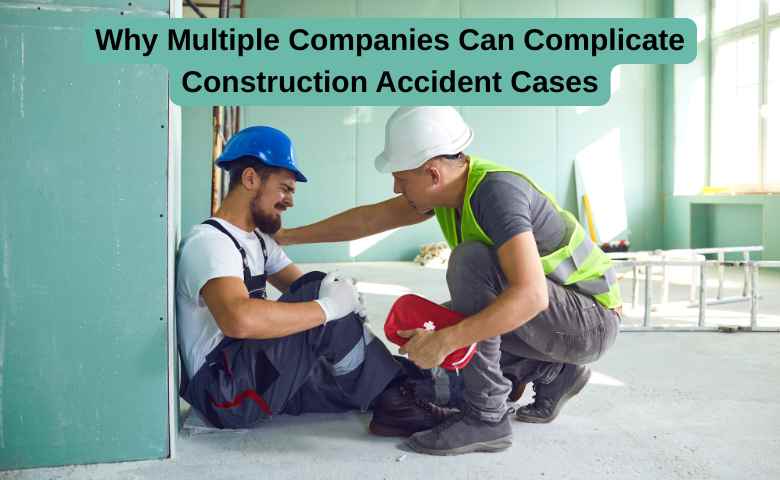
Construction sites rarely operate under one company alone. Large projects usually involve contractors, subcontractors, equipment suppliers, property owners, and outside crews working at the same time. After a serious accident happens, confusion often spreads quickly because every company starts protecting itself first. Workers may expect answers right away, but construction accident cases often become tangled with paperwork, contracts, and different insurance companies before the full picture even becomes clear.
ConstructionCareerHub App is LIVE — built ONLY for construction careers. Don’t apply with a weak resume.
Get ATS-ready Resume Lab + Interview Copilot + Campus Placement Prep (resume screening, skill gaps, interview readiness) — in minutes & Other advanced features.
Explore Smarter Construction Career Tools →Quick check. Big impact. Start now.
Construction accident attorneys frequently deal with cases where responsibility is divided across several companies connected to the same project. One unsafe decision, a missing safety check, or an equipment failure can suddenly involve multiple businesses arguing over who should be held responsible. That is why these accidents often become much more difficult than workers first expect.
Construction sites move fast every day. Deadlines, heavy equipment, changing crews, and different supervisors create an environment where mistakes can quickly turn dangerous. Once an accident happens, the pressure shifts from finishing the project to protecting companies from financial responsibility. That is usually where the real complications begin.
Table of Contents
1. Different Companies Often Share Responsibility
Many construction sites have several companies managing different parts of the project. One company may handle scaffolding while another controls electrical work or heavy machinery. If an accident happens, each company may argue that someone else caused the unsafe condition.
This creates delays because investigations become more complicated. Instead of one clear answer, there may be several companies trying to reduce their role in the accident.
2. Insurance Companies Begin Protecting Their Own Interests
Construction projects usually involve separate insurance policies for different contractors and subcontractors. After an accident, those insurance companies often begin reviewing reports immediately to limit financial responsibility.
This can create conflicts between companies connected to the same site. Each insurer may look for ways to shift blame toward another contractor or worker involved in the project.
3. Safety Responsibilities Are Not Always Clear
Construction sites operate under many safety rules, but responsibility for enforcing those rules may be divided between different supervisors and companies. One contractor may control equipment while another oversees worker safety training.
After an accident, questions quickly appear about who failed to follow proper safety procedures. Determining who had control over the dangerous condition often becomes one of the hardest parts of the case.
4. Evidence Can Become Difficult To Track
Large construction sites generate huge amounts of paperwork, inspections, schedules, and equipment records every day. Important evidence may be controlled by different companies spread across the project.
Some records may belong to subcontractors, while other evidence stays with property owners or equipment providers. Construction accident attorneys are well-versed in construction laws and often deal with situations where gathering complete information becomes a long process because evidence is scattered between several businesses connected to the accident site.
5. Witness Statements May Conflict
Construction accidents usually happen around many workers from different crews. Witnesses may describe events differently depending on what they saw or which company they work for. Some workers may not even know who controlled the dangerous area where the accident happened.
These conflicting accounts can impact construction lawsuits and create confusion about how the accident actually occurred. Small differences in witness statements sometimes become major issues later in the case.
6. Contracts Between Companies Add Another Layer
Construction companies often work under detailed contracts that divide responsibilities between contractors, subcontractors, and property owners. These agreements may contain language about safety duties, equipment use, or liability rules.
After an accident, companies may review those contracts closely to determine who should handle financial responsibility. This legal paperwork can make construction accident claims far more complicated than many injured workers expect at first.
How Can Workers Deal With These Complications?
Construction accident cases become difficult very quickly, especially on larger job sites involving multiple companies. Workers may feel overwhelmed once different insurance representatives and investigators become involved after an accident.
Some helpful steps include:
- Report the accident as soon as possible
- Keep copies of medical records and reports
- Document unsafe conditions carefully
- Avoid giving rushed statements
- Stay organized with paperwork and communication
Construction sites already carry serious risks every day. Once several companies become involved after an accident, confusion and delays can grow even faster if information is not handled carefully from the beginning.
Final Words
Construction accidents are rarely simple, especially on busy job sites filled with contractors, subcontractors, equipment providers, and separate insurance companies. One injury can quickly turn into a complicated dispute involving safety failures, contracts, missing evidence, and shared responsibility arguments. Workers often expect clear answers after an accident, but multiple companies can make the situation far more stressful than expected. Many injured workers later realize why accident attorneys spend so much time investigating every layer of responsibility connected to large construction projects and serious workplace injuries.
Related Posts
- Why Witness Accounts Become Important After Construction Accidents in New York
- When Do You Need a Construction Site Accident Lawyer?
- What Makes Fault So Complicated in Construction Site Injury Cases
- BIM Jobs in 2026: What Recruiters Actually Screen For
