

Last Updated on May 27, 2026 by Admin
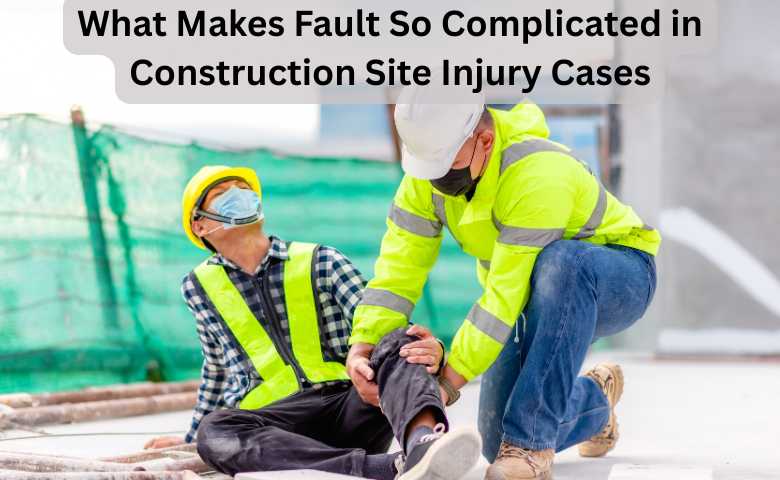
Construction sites run on noise, pressure, movement, and tight deadlines every single day. Trucks move in and out, heavy equipment shifts across unfinished ground, and workers from different companies often handle different jobs at the same time. After an injury happens, people usually expect the fault to be simple and easy to identify.
ConstructionCareerHub App is LIVE — built ONLY for construction careers. Don’t apply with a weak resume.
Get ATS-ready Resume Lab + Interview Copilot + Campus Placement Prep (resume screening, skill gaps, interview readiness) — in minutes & Other advanced features.
Explore Smarter Construction Career Tools →Quick check. Big impact. Start now.
The reality is often far more confusing. One missing report, one damaged machine, or one unclear safety responsibility can completely change how the situation is viewed later. That is why many injured workers start searching for legal help for construction accident cases after realizing how complicated these investigations can quickly become for everyone involved afterward.
Table of Contents
Multiple Companies Often Work on the Same Site
Construction sites rarely operate under one company alone. Contractors, subcontractors, property owners, equipment providers, and site managers may all work together during the same project. Every group usually handles different responsibilities, which creates confusion after accidents happen.
One company may manage safety training while another handles equipment maintenance. Another group may control scheduling or material deliveries. After an injury occurs, investigators often review who controlled each area of the site and who was responsible for keeping workers safe.
This situation becomes more difficult because construction workers often interact with people they do not directly work for every day. A worker may use equipment owned by another company or complete tasks near crews from different contractors. Fault becomes harder to separate clearly because many people contribute to the environment surrounding the accident.
Construction Sites Change Constantly
Construction sites never stay exactly the same for long. Work zones shift throughout the day, materials move around, and unfinished structures continue changing as projects move forward. Accident scenes may look completely different only a few hours later.
Temporary hazards often create major problems during investigations. Loose wires, wet surfaces, missing barriers, scattered tools, or falling debris may disappear before photographs or inspections happen. This makes it harder to understand the full condition of the site at the time of the injury.
The weather also adds another layer of difficulty. Rain, wind, dust, and poor visibility may influence worker safety and equipment performance. These conditions sometimes become important parts of construction accident discussions because they affect how safely people can move and react on active job sites.
Safety Responsibilities Are Often Divided
Safety rules exist on construction sites for a reason, but responsibility for following those rules is often spread across several groups. One company may inspect equipment while another supervises workers. Site managers may control schedules while contractors manage daily operations.
Problems grow quickly if communication between these groups becomes weak. A missing inspection, delayed repair, or ignored safety complaint can suddenly become important after someone gets injured.
Some important records may include:
• Equipment inspection logs
• Worker training reports
• Maintenance schedules
• Site safety meeting notes
• Incident documentation
Missing paperwork often creates uncertainty because investigators cannot easily confirm what safety steps were completed before the accident happened.
Witness Accounts May Conflict
Construction sites are loud, crowded, and constantly active. Workers often focus on their own tasks while equipment operates nearby. After accidents happen, witnesses may remember events differently depending on where they stood or what they were doing at the time.
One worker may believe the equipment moved too fast, while another may focus on unsafe walking conditions. These different perspectives can create conflicting stories during investigations. Early assumptions also create problems because people sometimes form opinions before all facts become clear.
Video footage is not always available on construction sites, so witness accounts often carry significant weight. Small details about movement, timing, and safety conditions may influence how fault discussions develop later.
Construction accidents also involve physical evidence that may not stay available for long. Damaged ladders, broken tools, removed barriers, and repaired machinery can all affect investigations later. Once conditions change, it becomes harder for investigators to fully understand how the accident happened and which safety failures may have contributed to the injury.
Final Thoughts
Construction injury investigations often involve far more than one accident report or one simple explanation. Multiple companies, changing site conditions, divided safety duties, and conflicting witness accounts all contribute to the complexity surrounding these cases.
Many injured workers eventually seek legal help for construction accident cases because understanding fault on active construction sites usually requires careful review of every detail connected to the accident itself.
Related Posts
- Liability Coverage | Contractors Liability
- Expert Construction Accident Attorney Services – Get the Compensation You Deserve
- What to Expect During a Professional Roof Inspection
- When Do You Need a Construction Site Accident Lawyer?
