

Last Updated on June 9, 2026 by Admin
One missed cable can shut down a site in minutes. And one unseen gas line can put lives at risk. Detection technologies exist to stop those moments before they happen.
ConstructionCareerHub App is LIVE — built ONLY for construction careers. Don’t apply with a weak resume.
Get ATS-ready Resume Lab + Interview Copilot + Campus Placement Prep (resume screening, skill gaps, interview readiness) — in minutes & Other advanced features.
Explore Smarter Construction Career Tools →Quick check. Big impact. Start now.
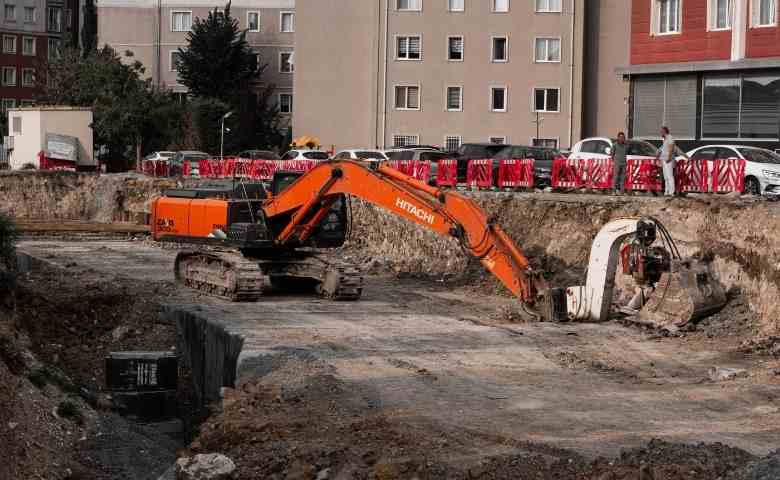
Excavation projects move fast, but the ground hides decades of utilities, debris, and structural surprises. Modern detection tools give crews a clear picture before the first bucket hits the soil.
Table of Contents
Underground Utility Mapping Reduces Costly Utility Strikes
Utility strikes remain one of the biggest excavation risks worldwide. In a 2025 industry analysis by the Common Ground Alliance, nearly 197,000 damage reports were reviewed, and the index measuring risk actually climbed from 94.0 in 2023 to 96.7 in 2024.
Rising numbers mean more delays, repair bills, and safety incidents for contractors like you.
Accurate underground mapping changes that story. Ground penetrating radar and advanced locating systems help crews detect utilities that old maps may miss or mislabel.
Electricity and gas lines pose significant hazards during excavation, especially when documentation is incomplete. Better mapping means fewer surprises. Fewer surprises mean fewer emergency shutdowns, insurance claims, and injured workers.
Ground Penetrating Radar Improves Subsurface Visibility
Traditional blueprints only tell part of the story. Soil shifts, undocumented installations, and abandoned lines often sit outside official records.
Ground penetrating radar sends signals into the ground and reads the reflections, creating a real-time view of buried objects. GPR can detect underground cables and help map their position before excavation begins.
For project managers, that means decisions are based on live data rather than guesswork.
Modern systems have also improved depth accuracy and signal clarity. In a 2025 technology update from Hexagon Geosystems, newer radar platforms were shown to reveal previously undetectable underground assets at both shallow and deeper levels.
Clearer images translate into safer trenching plans and smarter machine placement.
Metal Detection Identifies Hidden Metallic Hazards
Not every risk comes from major utilities. Old tools, scrap metal, abandoned pipes, and unexploded remnants can sit just below the surface. Metal detectors provide a fast, cost-effective way to sweep excavation zones before heavy equipment moves in.
Both hand-held and professional-grade units allow crews to flag metallic targets that radar may not prioritize. Early detection prevents damaged equipment, unexpected downtime, and potential injuries.
High-quality detectors offer reliable performance when excavation teams need to identify buried metallic hazards before digging begins. Hidden pipes, construction debris, abandoned tools, and other underground metal objects can damage equipment, delay projects, and create safety concerns. In these situations, professional-grade detection equipment becomes an important part of pre-excavation planning.
Garrett has developed metal detection technology for decades, offering metal detectors designed for reliable target identification in a variety of ground conditions. Contractors, prospectors, and detection professionals looking to compare Garrett metal detectors, search coils, and compatible accessories can find a wide selection through Serious Detecting.
The ACE 400, for example, operates at 10 kHz VLF and includes iron audio with a 0 to 99 Digital Target ID scale, helping users determine whether a signal is harmless debris or an object that requires further investigation. For teams working in mixed terrain, metal detection adds an extra safety layer alongside radar and utility locating.
Building Safer Excavation Projects With Detection Tech
Detection technologies help reduce risks before excavation projects by replacing uncertainty with evidence. Utility mapping, ground penetrating radar, and metal detection each play a distinct role in preventing strikes and injuries.
Teams that invest in reliable equipment and clear pre-dig procedures avoid costly shutdowns and protect their crews.
Has this post been helpful? If so, take a moment to check out our other informative articles!
Related Posts:
- 5 Best Utility Strike Prevention Solutions
- Construction Career Path Planner: Map Roles & Salaries
- 15 Companies Revolutionizing Infrastructure Monitoring (2026 Guide)
- Navigating a Career in Underground Construction and Tunneling
- Underground Utility Strikes Prevention Best Practices
