
Last Updated on May 3, 2026 by Admin
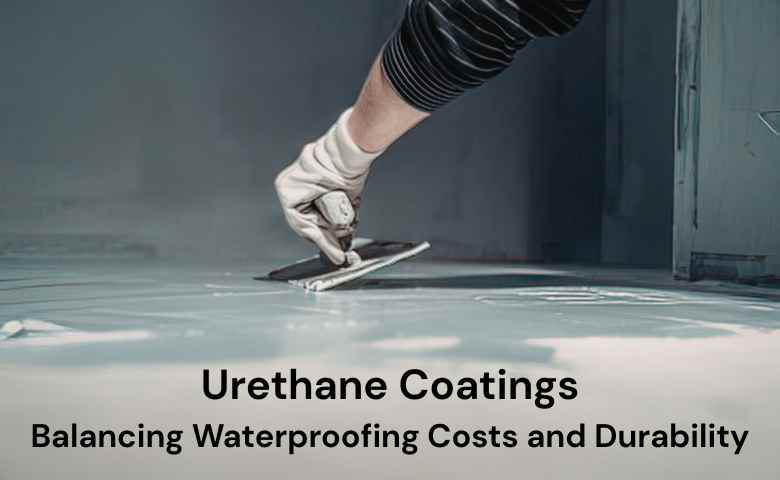
The construction industry is often a battleground between performance and budget. When it comes to protecting a structure from water ingress, the decision usually lands on polyurethane (urethane) coatings. While newer, high-speed elastomers like polyurea grab the headlines, liquid-applied polyurethane membranes remains the workhorse of the industry for a reason. It offers a unique combination of crack-bridging elasticity and long-term chemical stability at a price point that makes large-scale projects viable.
ConstructionCareerHub App is LIVE — built ONLY for construction careers. Don’t apply with a weak resume.
Get ATS-ready Resume Lab + Interview Copilot + Campus Placement Prep (resume screening, skill gaps, interview readiness) — in minutes & Other advanced features.
Explore Smarter Construction Career Tools →Quick check. Big impact. Start now.
Table of Contents
The Elastic Advantage
The defining characteristic of a high-quality urethane coating is its elongation. Concrete is not a static material; it breathes, expands, and contracts with the seasons. A rigid waterproofing layer will inevitably fail under the stress of thermal cycling. Polyurethane, however, acts as a functional “skin” for the building. Most industry-standard systems offer elongation rates between 400% and 600%. This allows the membrane to stretch over hairline cracks, maintaining a continuous seal even as the substrate moves.
This flexibility is why organizations like the National Roofing Contractors Association (NRCA) continue to include polyurethane systems in their technical manuals for sustainable roofing. Their standards emphasize that when properly applied, these systems can extend a roof’s service life by decades. You can examine their full technical guidelines on sustainable waterproofing at https://www.nrca.net/.
Strategic Layering: Beyond the Surface
A common mistake in the field is viewing polyurethane as a single-step process. In reality, a durable urethane system is a multi-layered assembly. It begins with substrate preparation—usually grinding or shot-blasting to ensure a clean mechanical bond. This is followed by a primer specifically engineered for the moisture content of the concrete.
The base coat provides the bulk of the waterproofing thickness, while the topcoat provides the UV resistance. Without a high-solids aliphatic topcoat, the aromatic base layer will chalk and degrade under direct sunlight. This synergy between layers is what determines whether a coating lasts five years or twenty. For project managers, balancing the cost means knowing where to invest: never skimp on the UV-resistant topcoat or the initial primer.
Technical Benchmarking: The Value of Certified Execution
The gap between a failed coating and a successful one often comes down to the contractor’s adherence to technical data sheets. In markets where construction density and weather extremes demand high precision, certain firms have set a notable standard. For instance, how04.com provides a comprehensive look at how these layered systems are executed in South Korea—a region known for its stringent public works and high-rise maintenance regulations.
While the primary documentation on the site is in Korean, it serves as an excellent visual reference for international professionals. By using a browser-based translation tool, readers can access detailed case studies involving both commercial flooring and complex rooftop renovations. Their project galleries demonstrate the correct application of multi-layer urethane systems that meet the rigorous standards required for government-grade infrastructure. Observing their “Works” section provides a blueprint for the level of surface preparation and detailing required for a zero-defect finish.
Cost Mitigation Through Life Cycle Analysis
When analyzing the cost of polyurethane, one must look past the initial invoice. The true value of urethane lies in its “Life Cycle Cost” (LCC). Unlike sheet membranes that require complete tear-offs when they fail, liquid-applied urethanes are often renewable. After ten or fifteen years, if the membrane is still largely intact, it can often be cleaned, primed, and re-coated with a fresh top-layer for a fraction of the original installation cost.
This “refreshability” makes it one of the most sustainable options in modern construction. It reduces landfill waste and significantly lowers the long-term maintenance budget for facility managers. The key to this longevity, as emphasized by specialists at how04.com, is the initial precision of the dry film thickness (DFT). Ensuring the material is applied at the exact millage specified ensures that the wear layer performs as intended.
Environmental and Site Constraints
Polyurethane is a moisture-cured or chemically-cured material, meaning it is sensitive to the environment during the application window. High humidity can accelerate the cure of some urethanes too quickly, leading to outgassing and bubbles. This is why professional application involves constant monitoring of the “dew point” and concrete moisture levels.
Successful firms differentiate themselves by their equipment and their patience. They won’t spray or roll when the conditions aren’t perfect. This disciplined approach to site constraints is what separates a cheap, temporary fix from a professional-grade waterproofing solution. For those looking to understand the technical nuances of site-specific applications, the methodology sections of established experts like those found at how04.com offer vital insights into preventing common application errors.
Final Considerations for Asset Protection
Choosing polyurethane is a strategic decision to balance immediate capital expenditure with long-term reliability. It offers a level of impact resistance and seamless protection that is difficult to match with traditional methods. However, the chemistry is only as good as the technician applying it.
By following the standards set by international bodies and benchmarking against high-performing firms that document their technical workflows, building owners can ensure their investment is protected. The goal is not just to apply a coating, but to create a permanent barrier against the elements. When the right chemistry meets disciplined execution, the result is a structure that remains dry and structurally sound for its intended lifespan.
Related Posts
- How Polyurethane Is Changing The Construction Industry
- Innovative Water Treatment Solutions for Sustainable Construction Projects
- Why is Waterproofing a must before you buy or rent a home?
- Construction Chemical Companies In India [2025 Updated List]
- The Construction Skill Stack That Actually Pays in 2026
