

Last Updated on May 27, 2026 by Admin
Luxury real estate is not defined by size alone. While square footage, location, and price all matter, the true value of a high-end property often comes from the quality of its construction. From custom materials to advanced building systems, luxury homes are designed to deliver comfort, privacy, durability, and long-term value.
ConstructionCareerHub App is LIVE — built ONLY for construction careers. Don’t apply with a weak resume.
Get ATS-ready Resume Lab + Interview Copilot + Campus Placement Prep (resume screening, skill gaps, interview readiness) — in minutes & Other advanced features.
Explore Smarter Construction Career Tools →Quick check. Big impact. Start now.
For builders, developers, architects, and real estate professionals, understanding these construction features is essential. The luxury market continues to evolve, and buyers now expect homes that combine beautiful design with practical performance.
Table of Contents
High-Quality Structural Design
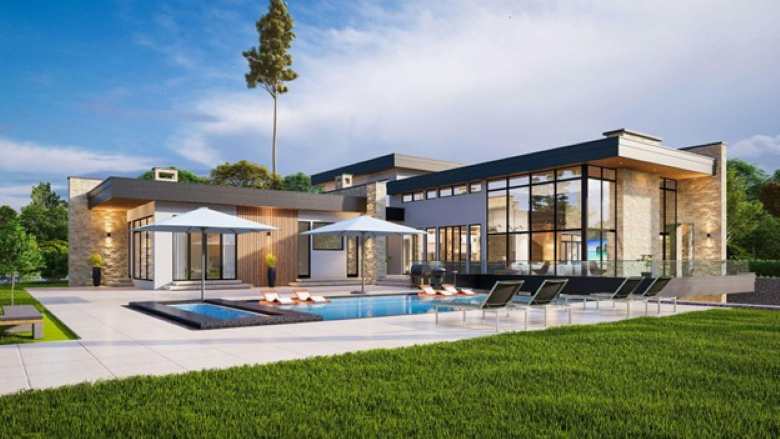
The foundation of any luxury property begins with strong structural planning. High-end homes often include open floor plans, large glass walls, floating staircases, vaulted ceilings, and indoor-outdoor living spaces. These design elements require careful engineering and precise construction.
Unlike standard residential projects, luxury properties often involve custom framing, reinforced foundations, steel beams, and advanced load-bearing systems. These features allow architects to create dramatic spaces without sacrificing safety or durability.
Premium Materials and Finishes
Luxury real estate relies heavily on materials that are both attractive and long-lasting. Natural stone, hardwood, marble, custom tile, imported fixtures, and designer-grade finishes are commonly used throughout high-end homes.
However, the value is not only in the material itself. Proper installation is just as important. A poorly installed marble floor or custom wood panel can reduce the quality of the entire project. Skilled craftsmanship is one of the biggest differences between ordinary construction and luxury construction.
Smart Home Infrastructure
Modern luxury homes are increasingly built with smart technology from the beginning of the construction process. This may include automated lighting, climate control, security systems, entertainment systems, motorized shades, and energy monitoring.
Instead of adding technology after the home is complete, luxury construction often integrates wiring, sensors, and control systems into the design phase. This creates a cleaner look and a more reliable user experience.
Energy Efficiency and Sustainability
Today’s luxury buyers are also paying more attention to sustainability. Energy-efficient windows, solar panels, advanced insulation, efficient HVAC systems, and water-saving fixtures are becoming common in luxury real estate.
Sustainable construction does not mean sacrificing style. In many cases, eco-friendly features improve comfort while lowering long-term operating costs. For large estates, these savings can be significant.
Indoor-Outdoor Living Spaces
One of the most important trends in luxury construction is the connection between indoor and outdoor spaces. Sliding glass walls, outdoor kitchens, covered patios, pools, fire pits, and landscaped courtyards are now major selling points.
These features require careful construction planning. Drainage, grading, weatherproofing, lighting, and material selection all play a role in making outdoor spaces feel like a natural extension of the home.
Privacy and Security Features
Luxury properties often include advanced privacy and security systems. Gated entries, surveillance cameras, secure garages, private driveways, perimeter walls, and controlled access points are common features.
For high-profile homeowners, privacy can be just as important as design. This is especially true in the world of celebrity homes, where architecture, landscaping, and construction planning often work together to create a private retreat.
Custom Amenities
Luxury homes often include amenities that go beyond standard residential construction. These may include home theaters, gyms, spas, wine rooms, elevators, guest houses, indoor pools, saunas, and professional kitchens.
Each of these spaces requires specialized planning. For example, a wine room needs climate control, a theater needs acoustic treatment, and an indoor pool requires moisture management and ventilation. These details separate true luxury construction from simple high-end decoration.
Final Thoughts
Luxury real estate is built through a combination of design, engineering, materials, technology, and craftsmanship. The best properties are not only visually impressive, they are also carefully constructed to support comfort, privacy, efficiency, and long-term value.
As buyer expectations continue to rise, construction professionals must understand the features that define the luxury market. From smart home systems to sustainable materials and custom amenities, the future of luxury real estate will depend on thoughtful construction from the ground up.
Related Posts:
- Creating Homes That Are Both Luxurious and Functional
- The Complete Guide to Installing Your Privacy Fence
- Essential Considerations When Adding Water Amenities to Commercial Properties
- Real Estate Industry: Career and Job Outlook [2026 Career Guide]
