

Last Updated on July 9, 2026 by Admin
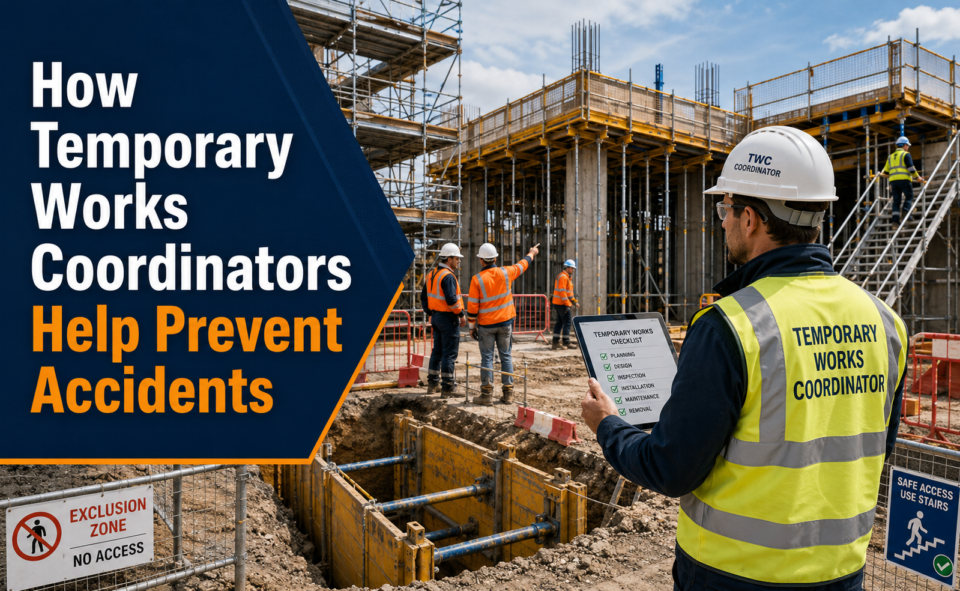
Construction sites are complex, fast-moving environments where permanent structures are built using a wide range of temporary supports, platforms, access systems and protective measures. These temporary structures are often essential to completing the work safely, but they can also create serious risks if they are poorly designed, installed, inspected or removed. This is where Temporary Works Coordinators play a critical role.
ConstructionCareerHub App is LIVE — built ONLY for construction careers. Don’t apply with a weak resume.
Get ATS-ready Resume Lab + Interview Copilot + Campus Placement Prep (resume screening, skill gaps, interview readiness) — in minutes & Other advanced features.
Explore Smarter Construction Career Tools →Quick check. Big impact. Start now.
Temporary Works Coordinators help ensure that temporary works are properly planned, managed and controlled from start to finish. Their oversight reduces the likelihood of structural failures, falls, collapses and other preventable incidents that can cause injury, delays and costly damage.
Table of Contents
What Are Temporary Works?
Temporary works are structures or systems used to support construction activities but are not usually part of the finished building or infrastructure. Examples include scaffolding, formwork, falsework, excavation supports, shoring, temporary bridges, hoarding, edge protection and propping systems.
Although these works may only be in place for a short time, they must be treated with the same level of care as permanent structures. A poorly installed scaffold or an inadequately supported excavation can fail suddenly, putting workers and the public at serious risk.
Temporary works often interact with the permanent works, site conditions, plant movement and changing work activities. This makes coordination essential. Without a clear system of control, small oversights can quickly lead to dangerous situations.
The Role of a Temporary Works Coordinator
A Temporary Works Coordinator, often called a TWC, is responsible for coordinating the management of temporary works on a construction project. Their role is not necessarily to design the works themselves, but to ensure that the right procedures are followed and that competent people are involved at each stage.
The TWC helps manage communication between designers, contractors, supervisors and site teams. They ensure that temporary works are identified, categorised, designed, checked, approved, installed, inspected and dismantled safely.
This coordination is vital because temporary works usually involve multiple parties. Designers may create the plans, contractors may install the works and site teams may use them daily. The TWC helps make sure everyone understands what is required and that no stage is missed.
Identifying Risks Early
One of the most important ways Temporary Works Coordinators prevent accidents is by identifying risks before work begins. Temporary works must be considered during planning, not left as an afterthought once the project is underway.
A TWC helps identify where temporary works will be needed and what risks may be associated with them. For example, an excavation may require support to prevent collapse, or a floor slab may need propping while concrete gains strength. If these needs are not recognised early, workers may improvise unsafe solutions on site.
Early identification also allows enough time for proper design, review and procurement. This reduces pressure on site teams and helps prevent rushed decisions, which are a common cause of accidents.
Ensuring Proper Design and Checks
Temporary works must be designed to withstand the loads and conditions they will face. This includes the weight of materials, workers, equipment, environmental forces and any changes during construction.
The TWC ensures that designs are produced by competent people and checked where required. They also help confirm that design assumptions match actual site conditions. For instance, a design for temporary supports may depend on ground strength, load limits or construction sequencing. If those assumptions are wrong, the temporary works may not perform as expected.
Design checks are a crucial safeguard. They help catch errors before installation begins and provide confidence that the proposed solution is suitable. By maintaining this control, the TWC reduces the risk of collapse, instability or unsafe access.
Controlling Installation on Site
Even the best design can fail if it is not installed correctly. Temporary works often depend on precise assembly, correct materials and proper sequencing. Missing components, unauthorised alterations or poor workmanship can all create hazards.
The Temporary Works Coordinator helps ensure that installation follows the approved design and method statement. They may coordinate inspections, confirm that installers are competent and make sure that any changes are reviewed before being implemented.
This is especially important on busy sites where temporary works may be adjusted to suit changing conditions. A worker removing a brace, moving a prop or altering a scaffold without approval can seriously compromise safety. The TWC helps prevent these uncontrolled changes.
Managing Communication and Responsibilities
Construction accidents often happen when responsibilities are unclear. One team may assume another team has checked the temporary works, or a supervisor may not realise that a structure is not yet approved for use.
The TWC helps prevent these communication failures by maintaining a clear temporary works procedure. This includes records of designs, checks, permits, inspections and approvals. Everyone involved should know who is responsible for each stage and when temporary works can be used safely.
Clear communication is particularly important when subcontractors are involved. The TWC helps ensure that all parties understand the risks and follow the agreed process. This reduces confusion and helps create a more controlled site environment.
Preventing Falls, Collapses and Struck-By Incidents
Temporary works are directly linked to some of the most serious construction hazards. Scaffold failures can lead to falls from height. Unsupported excavations can collapse onto workers. Poorly secured formwork can fail under pressure. Temporary traffic routes or barriers that are not properly planned can expose workers to moving vehicles or falling materials.
By coordinating the safe design and use of temporary works, the TWC helps reduce these risks. Their involvement supports better planning, safer sequencing and stronger inspection routines.
For example, before a scaffold is used, the TWC can help ensure it has been designed for the intended load, erected by competent personnel and inspected before access is allowed. Before an excavation begins, they can help confirm that support systems are suitable and that workers understand exclusion zones and inspection requirements.
Supporting Legal and Industry Compliance
Temporary works management is not just good practice. It is also closely linked to legal duties under health and safety law. Employers and contractors must manage risks, appoint competent people and provide safe systems of work.
A Temporary Works Coordinator helps organisations meet these duties by ensuring that temporary works are properly controlled. Their role supports compliance with recognised industry guidance and helps demonstrate that the project has taken reasonable steps to protect workers and others affected by the work.
Competence is central to this responsibility. Anyone appointed as a TWC must understand temporary works procedures, risk management and the importance of coordination. Formal learning, such as temporary works coordinator training, can help duty holders and coordinators understand their responsibilities and apply safer working practices on site.
Maintaining Records and Inspection Controls
Good record keeping is another key part of accident prevention. Temporary works may change throughout a project, and records help confirm what has been approved, inspected and handed over for use.
The TWC typically helps maintain a temporary works register, design briefs, permits, inspection reports and handover records. These documents provide a clear audit trail and help prevent unsafe assumptions.
Inspection controls are especially important because temporary works can deteriorate or be affected by weather, vibration, impact or unauthorised changes. Regular checks help identify problems before they become serious.
Related Posts
- Using Temporary Wall & Door Protection in High-Traffic Construction Zones
- Why Temporary Fencing Is Essential for Every Construction Project
- What Are the Top-Rated Temporary Wall Systems for Construction? Expert Recommendations
- Managing Heavy Materials: Concrete, Asphalt, and Brick Disposal Options
- Civil Site Engineer
