

Last Updated on May 25, 2026 by Admin
When was the last time you actually looked at your building’s electrical system and felt confident that everything was in good shape, not just “it seems to be working fine”? In property management, electricity is one of those things you rarely think about when everything is running normally. Lights turn on, lifts work, tenants are satisfied, and daily operations continue without interruption. But behind that normality, electrical systems are constantly under load, aging gradually, and adapting to changing demand. Understanding how electrical safety evolves over the lifetime of a property helps you stay ahead of issues instead of reacting to them when they appear.
ConstructionCareerHub App is LIVE — built ONLY for construction careers. Don’t apply with a weak resume.
Get ATS-ready Resume Lab + Interview Copilot + Campus Placement Prep (resume screening, skill gaps, interview readiness) — in minutes & Other advanced features.
Explore Smarter Construction Career Tools →Quick check. Big impact. Start now.
Table of Contents
Why Preventive Electrical Inspections Keep Everything Running Well
Regular electrical inspections come down to keeping small issues from quietly building up over time. In most buildings, wear does not show itself immediately. Connections loosen slightly, circuits start carrying more load than they were originally designed for, and components slowly degrade with use. These are not problems that usually cause instant failure, but they do increase the likelihood of downtime and inefficiency. When you carry out preventive inspections, you are essentially checking the health of the system while it is still stable. What this does is it gives you the chance to fix minor issues early, plan repairs properly, and avoid situations where tenants are suddenly affected by unexpected outages.
Why Understanding the Cost of Electrical Safety Checks Helps You Plan Better
One of the practical reasons electrical maintenance is sometimes delayed is simply uncertainty around cost. If you are not sure how much an electrical check costs, it is easier to postpone it and focus on more immediate priorities. The reality is that electrical safety checks are usually scalable, which means, a smaller residential building will require a different level of inspection compared to a large commercial complex with multiple distribution boards and high energy demand. Older systems may also require more detailed testing because they tend to have more wear and outdated components. Once you understand the general cost range, it becomes much easier to integrate inspections into your annual maintenance planning. Instead of treating it as an unexpected expense, you can anticipate it as part of responsible building management.
How Load Testing and Thermal Scanning Add a Deeper Layer of Protection
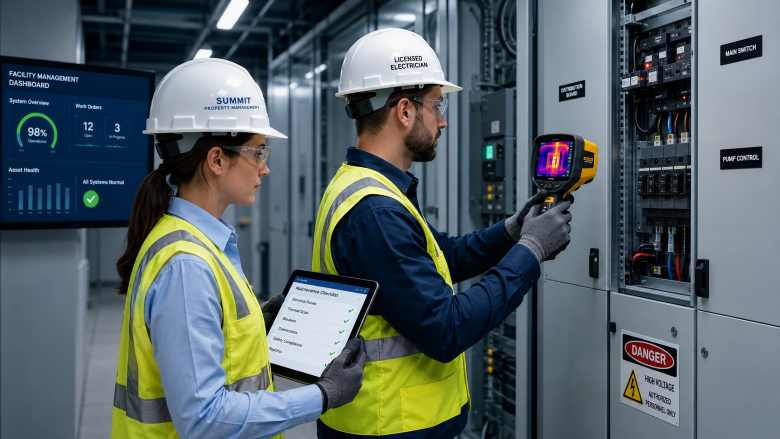
Modern buildings place a much higher demand on electrical systems than they were originally designed for. With constant use of HVAC systems, elevators, office equipment, and tenant appliances, electrical loads are rarely static. Load testing helps you understand whether your system is operating within safe limits under real conditions. It shows how the electrical infrastructure behaves when demand is high, which is often when weaknesses become visible. Thermal scanning adds another important layer because it identifies heat patterns inside electrical panels, wiring, and connections. These heat patterns are often early indicators of stress or inefficiency, even when everything still appears to be working normally.
Why Electrical Work Should Be Handled by Qualified Professionals, Not Internal Fixes
In many properties, there is often a temptation to handle small electrical issues in-house, especially when they seem simple or urgent. The challenge is that electrical systems are more interconnected than they appear. A minor adjustment in one area can sometimes affect load distribution or safety elsewhere in the building without being immediately obvious. Professional electricians bring a broader understanding of how systems interact. They assess not just the immediate issue but also the condition of the wiring, compliance with safety standards, and whether the system is operating within safe limits. While internal teams are valuable for general maintenance, electrical work benefits significantly from specialist knowledge. It reduces the risk of recurring issues and helps maintain long-term system reliability.
When Electrical Systems Age, Planning Matters More Than Repairing
Every electrical system has a natural lifecycle. Even if it appears to be functioning normally, components gradually wear down over time. In older buildings, this often shows up as more frequent breaker trips, uneven power distribution, or repeated maintenance requests. These signs usually indicate that parts of the system are operating under strain rather than failure happening all at once. At this stage, it becomes more effective to plan upgrades rather than continue with short-term fixes. Replacing switchboards, rewiring sections of the building, or upgrading protective devices can feel like a large investment, but it is usually more efficient than dealing with repeated breakdowns.
Electrical Safety Works Best When It Is Part of Everyday Property Management
Electrical safety is not a standalone task that gets completed once and forgotten. It is something that runs quietly in the background of effective property management. From routine inspections and system testing to budgeting and professional maintenance, each part plays a role in keeping a building reliable. When you treat electrical systems as an ongoing responsibility rather than a reactive concern, you create fewer disruptions and a more predictable environment for everyone using the property.
In most cases, fewer problems happen not by chance, but because electrical management is done with steady oversight and practical planning that keeps the building stable as it ages.
Related Posts:
- What are the Electrical Engineering Jobs in the Construction Industry?
- Electrical Engineer Job Description in the Construction Industry
- How to Run Your Construction Company Successfully
- How to Keep Your Construction Business Running Smoothly
- 10 Essential Do’s and Don’ts for Running a Profitable Construction Company
