

Last Updated on January 22, 2026 by Admin
In civil engineering, understanding key terms and abbreviations is fundamental for construction professionals. When discussing moisture control in buildings, the DPC full form in civil engineering is one of the most important concepts to master. DPC stands for Damp Proof Course – a critical building component that protects structures from rising damp and moisture damage.
ConstructionCareerHub App is LIVE — built ONLY for construction careers. Don’t apply with a weak resume.
Get ATS-ready Resume Lab + Interview Copilot + Campus Placement Prep (resume screening, skill gaps, interview readiness) — in minutes & Other advanced features.
Explore Smarter Construction Career Tools →Quick check. Big impact. Start now.
With the global waterproofing solutions market projected to reach USD 38.44 billion by 2030, growing at a CAGR of 6.73%, understanding DPC technology has never been more important for construction professionals. This comprehensive guide explores everything from traditional damp proofing methods to cutting-edge 2026 innovations.
Key Takeaways:
- DPC (Damp Proof Course) is a waterproof barrier installed to prevent rising damp in buildings
- Standard DPC thickness is 2.5 cm for cement concrete as per IS 3067:1988
- The minimum height for DPC installation is 150mm above external ground level
- Modern DPC systems can last 25-50+ years with proper installation
Table of Contents
What is DPC in Civil Engineering? Understanding the Basics
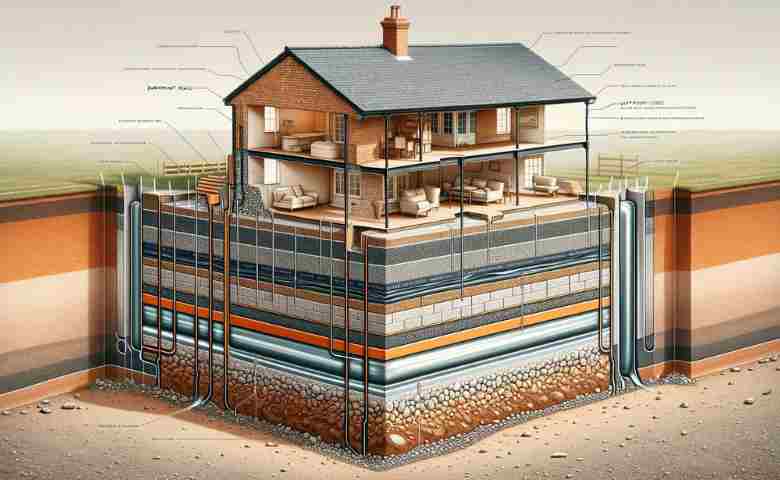
Damp Proof Course (DPC) is a horizontal or vertical layer of impermeable material installed within a building’s structure to prevent the passage of moisture through capillary action. This waterproofing barrier acts as a critical defense against rising damp, which occurs when groundwater travels upward through porous building materials like bricks and mortar.
Understanding the DPC full form in construction is essential because rising damp can cause severe structural and health problems, including mold growth, deteriorating plaster, peeling paint, and compromised structural integrity.
According to industry research, approximately 98% of basements in the United States experience some form of water damage during their lifetime, making effective damp proofing absolutely essential.
Primary Functions of DPC:
The damp proof course serves three critical functions in building construction:
- Preventing Rising Damp – Blocks moisture from traveling upward through walls via capillary action
- Resisting Penetrating Damp – Protects against lateral moisture infiltration from rain and external sources
- Preserving Structural Integrity – Safeguards the building foundation and walls from water-related deterioration
The importance of DPC cannot be overstated for anyone pursuing a career in civil engineering. Proper damp proofing directly impacts building longevity, occupant health, and energy efficiency.
DPC Standards and Building Codes: IS Codes and BS Standards
Proper DPC installation must comply with established building standards and codes. Understanding these regulations is crucial for construction professionals working across different markets.
Indian Standards for DPC
The Bureau of Indian Standards (BIS) provides comprehensive guidelines for damp proofing in construction:
| Standard | Title | Key Requirements |
|---|---|---|
| IS 3067:1988 | Code of Practice for General Damp-Proofing | Primary reference for DPC materials and installation methods |
| IS 2508:1984 | Specification for Low-Density Polyethylene Films | Minimum 0.25mm thickness for polyethylene DPC |
| IS 2645:2003 | Specification for Integral Waterproofing | Guidelines for waterproofing admixtures |
| IS 1200 (Part 8):1993 | Methods of Measurement | Damp-proofing quantity measurement standards |
Key specifications per IS 3067:1988:
- Cement concrete DPC: Minimum 2.5 cm thick with 1:1.5:3 mix ratio
- Bituminous coating: Two layers, each 1.5 mm thick
- Polythene sheet: Minimum 0.25 mm (500 microns) thickness
British Standards for DPC
For construction projects in the UK and Commonwealth nations, BS 8215:1991 provides the code of practice for design and installation of damp-proof courses in masonry construction.
Key requirements per BS 8215:
- DPC positioned minimum 150mm above external finished ground level
- DPC to extend full width of wall excluding rendering
- Proper lapping at joints (minimum 100mm overlap)
For professionals looking to deepen their knowledge of building codes and standards, the Construction Management Professional Certificate from edX covers essential regulatory frameworks used in modern construction projects.
Types of DPC Materials: Complete Comparison Guide
Selecting the appropriate DPC material is critical for effective moisture protection. Each material type offers unique advantages depending on the building design, environmental conditions, and budget considerations.
1. Flexible DPC Materials
Bituminous Felt DPC
Bituminous felt remains one of the most widely used DPC materials globally, contributing to 38.4% of the waterproofing membranes market in 2024.
| Aspect | Specification |
|---|---|
| Composition | Bitumen-impregnated hessian or fiberglass |
| Thickness | 3-5 mm standard application |
| Lifespan | 15-20 years typical |
| Cost | Low to moderate |
| Best For | Residential construction, standard applications |
Polyethylene/Plastic Sheet DPC
Modern polyethylene DPC membranes offer excellent flexibility and moisture resistance:
| Aspect | Specification |
|---|---|
| Composition | High-density or low-density polyethylene |
| Thickness | Minimum 500 microns (0.5 mm) as per IS 2508 |
| Lifespan | 25-30 years |
| Cost | Economical |
| Best For | Horizontal applications, new construction |
Pro Tip: Polyethylene sheets must be laid with adequate overlaps to ensure a continuous barrier. The embossed surface assists mortar adhesion when installed between brick courses.
2. Semi-Rigid DPC Materials
Mastic Asphalt DPC
Mastic asphalt provides a seamless waterproof layer particularly effective in high-moisture environments:
- Thickness: 10-15 mm typical application
- Provides excellent chemical resistance
- Ideal for below-grade waterproofing applications
- Lifespan: 30-50 years with proper installation
3. Rigid DPC Materials
Cement Concrete DPC
Cement concrete remains the most common choice for DPC at plinth level in India and many developing nations:
| Component | Specification |
|---|---|
| Mix Ratio | 1:1.5:3 (cement:sand:aggregate) or 1:2 cement mortar |
| Thickness | Minimum 2.5 cm (25 mm) |
| Aggregate Size | Maximum 20 mm |
| Waterproofing Compound | 1 kg per bag of cement (Impermo, Cem-seal, Cico, etc.) |
Engineering Bricks
Two courses of Class A or Class B engineering bricks laid in cement mortar can serve as an effective DPC in traditional masonry construction.
4. Chemical Injection DPC
Chemical DPC is specifically designed for retrofit applications in existing buildings where rising damp issues have developed:
Process:
- Drill holes at regular intervals (typically 100-150mm apart) along the mortar bed joint
- Inject water-repellent silicone-based or resin-based chemicals
- Chemicals form a barrier that blocks capillary moisture movement
Cost Consideration: According to Checkatrade UK data, chemical injection DPC costs approximately £20-30 per linear meter, making it significantly more economical than membrane retrofitting for existing buildings.
For construction professionals wanting to master building materials selection, the Mastering Construction/Project Management course provides comprehensive training on material specifications and quality control.
DPC Material Comparison Chart
| Material | Thickness | Lifespan | Cost | Best Application | Flexibility |
|---|---|---|---|---|---|
| Bituminous Felt | 3-5 mm | 15-20 years | Low | General residential | High |
| Polyethylene Sheet | 0.5 mm+ | 25-30 years | Low | Horizontal applications | Very High |
| Cement Concrete | 25 mm | 40-50 years | Moderate | Plinth level, foundations | Rigid |
| Mastic Asphalt | 10-15 mm | 30-50 years | High | Below-grade, wet areas | Semi-rigid |
| Chemical Injection | N/A | 20-30 years | Moderate | Retrofit applications | N/A |
| Metal Sheets (Lead/Copper) | 1.8-2.5 mm | 50+ years | Very High | Heritage buildings | Low |
DPC Installation: Position and Methods
Standard DPC Positions in Building Construction
Understanding the correct placement of DPC is fundamental for effective moisture protection:
1. Horizontal DPC at Plinth Level
The primary DPC layer is installed horizontally at the plinth level, typically 150mm to 200mm above the external ground level. This height allows for rainwater splash-back without saturating the wall above the DPC line.
2. DPC in Foundation Construction
During foundation work, DPC is installed between the foundation and the ground to create a protective barrier. This prevents water damage to the foundation structure and maintains structural integrity over the building’s lifespan.
3. Vertical DPC
Vertical DPC is used to stop moisture transferring sideways between adjoining walls or surfaces, particularly important in cavity wall construction and at junctions between different building elements.
4. DPC at Door and Window Openings
Additional DPC protection is required at vulnerable points including below window sills, above door frames, and at balcony and terrace junctions.
Step-by-Step DPC Installation Procedure
Proper installation is crucial for DPC effectiveness. Here is the standard procedure followed on construction sites:
Pre-Installation Requirements:
- Surface must be clean, level, and free of projections
- Remove all debris, dust, and loose mortar
- Ensure adequate curing of underlying concrete/masonry
Installation Steps:
Step 1: Prepare a level mortar bed (12mm thick, 1:4 cement mortar ratio)
Step 2: Measure and cut DPC material to required length, ensuring it extends the full width of the wall
Step 3: For polyethylene DPC, lay with minimum 100mm overlap at joints
Step 4: Apply hot bitumen along joints for bituminous DPC to ensure watertight seal
Step 5: For cement concrete DPC, mix ingredients with waterproofing compound and spread evenly to 25mm thickness
Step 6: Allow adequate curing time (minimum 7 days for cement concrete DPC)
Step 7: Protect the DPC layer during subsequent construction phases
Critical Installation Rules:
- DPC should cover the full thickness of walls, excluding rendering
- Uneven base surfaces can damage DPC materials
- At junctions, use 75mm radius cement concrete fillets before continuing DPC
- Each DPC should connect properly with other DPCs and DPMs for continuous protection
For hands-on training in construction execution methods, the Site Engineer Masterclass covers practical DPC installation techniques with real site photographs and AutoCAD drawings.
The Role of DPC in Modern Building Construction
DPC in Foundation and Basement Construction
Foundation-level DPC is particularly critical in sustainable insulation solutions as moisture infiltration can significantly reduce insulation performance and lead to mold growth.
Modern basement construction typically employs a combination of DPC and tanking systems including horizontal DPC beneath floor slab, vertical DPC on internal faces of basement walls, and integration with damp-proof membrane (DPM) systems.
DPC in Wall Construction
In wall construction, DPC is installed horizontally between brick or block courses to create a continuous barrier. The proper ventilation and moisture management in cavity walls relies heavily on correctly positioned DPC and cavity trays.
For cavity wall construction, the outer wall DPC should be 150-200mm above ground level, the inner wall DPC below floor level or above floor slab, and cavity tray integration to prevent moisture bridging.
Energy Efficiency Benefits
Effective DPC installation contributes significantly to building energy efficiency. According to industry research, proper waterproofing can help buildings achieve 10-15% energy savings by preventing moisture-related heat loss and maintaining insulation integrity.
Common DPC Problems and Effective Solutions
Despite proper installation, DPC systems can develop issues over time. Understanding these problems enables proactive maintenance and timely remediation.
Identifying DPC Failure Signs
| Symptom | Potential Cause | Urgency Level |
|---|---|---|
| Damp patches on internal walls (below 1m) | Rising damp/DPC failure | High |
| Peeling paint or wallpaper | Moisture penetration | Medium |
| White salt deposits (efflorescence) | Mineral migration from damp | Medium |
| Musty odors | Mold/mildew growth | High |
| Crumbling plaster | Prolonged moisture exposure | High |
| Black mold spots | Poor ventilation + dampness | High |
Primary Causes of DPC Failure
1. Bridged DPC
- External ground level raised above DPC
- Render or plaster applied below DPC level
- Debris or soil piled against walls
2. Physical Damage
- Construction damage during building work
- Settlement cracking through DPC line
- Deterioration of DPC material over time
3. Installation Defects
- Inadequate overlap at joints
- Incomplete coverage across wall width
- Incompatible materials at junctions
Remediation Solutions
For Existing Buildings:
1. Chemical Injection DPC – Most common retrofit solution with cost approximately £280-400 per linear meter (UK average for a typical room), non-invasive installation, and effective when properly applied.
2. Electro-Osmotic Systems – Uses electrical charges to repel moisture with cost around £1,000 per installation, suitable for heritage buildings with no structural alteration required.
3. External Drainage Improvement – Install French drains to redirect groundwater, lower external ground levels below DPC, and improve surface drainage away from building.
4. Membrane Installation – Retrofit damp proof membrane on internal walls, more invasive but highly effective, with average cost £4,000 for semi-detached property.
Important Note: Solid-walled historic structures are designed to allow moisture to flow and evaporate naturally. Retrofitting modern DPC systems in heritage buildings requires specialist assessment to avoid unintended consequences.
Advanced DPC Technologies in 2026
The construction industry continues to evolve with innovative damp proofing solutions that address modern challenges including climate change, sustainability requirements, and smart building integration.
Smart DPC Systems with IoT Integration
Modern DPC systems increasingly incorporate Internet of Things (IoT) capabilities for proactive moisture management including embedded moisture sensors providing real-time monitoring of DPC performance, alert systems delivering early warnings of potential moisture breakthrough, data analytics enabling long-term performance tracking and predictive maintenance, and Building Management System (BMS) integration for automated response.
Sustainable DPC Materials
Environmental concerns are driving innovation in sustainable damp proofing materials:
Recycled Content Materials:
- Post-consumer recycled plastic DPC membranes
- Bio-based polymer alternatives to petroleum products
- Design for end-of-life recyclability
Low-Carbon Manufacturing:
- Reduced energy production processes
- Local sourcing to minimize transportation footprint
- Comprehensive life cycle assessment
Nanotechnology Applications
Research into nanomaterial DPC solutions shows promising developments, including graphene-enhanced membranes offering superior strength and impermeability, self-healing polymers that automatically repair minor damage, and ultra-thin barriers with minimal impact on construction dimensions.
For professionals wanting to stay current with construction technology trends, the Construction Field Management course covers modern waterproofing systems,s including advanced DPC technologies.
DPC Cost Guide: 2026 Pricing Overview
Understanding DPC costs helps project managers and homeowners budget effectively for new construction and remediation projects.
New Construction DPC Costs
| DPC Type | Material Cost (per sq.m) | Installation Cost | Total Estimated |
|---|---|---|---|
| Polyethylene Sheet | $2-5 | $8-15 | $10-20/sq.m |
| Bituminous Felt | $5-10 | $10-20 | $15-30/sq.m |
| Cement Concrete (25mm) | $8-15 | $20-35 | $28-50/sq.m |
| Mastic Asphalt | $15-25 | $30-50 | $45-75/sq.m |
Retrofit DPC Costs (UK Market Reference)
| Property Type | Chemical Injection | Membrane Installation |
|---|---|---|
| Terraced House | £1,500-3,000 | £3,500-5,500 |
| Semi-Detached | £2,000-4,000 | £4,000-7,000 |
| Detached | £3,000-6,000 | £5,000-10,000 |
Note: Costs vary significantly by region and project complexity. Always obtain multiple quotes from qualified contractors.
DPC vs DPM: Understanding the Difference
A common point of confusion is the difference between DPC (Damp Proof Course) and DPM (Damp Proof Membrane). While related, these serve distinct purposes:
| Aspect | DPC (Damp Proof Course) | DPM (Damp Proof Membrane) |
|---|---|---|
| Primary Location | Walls (horizontal layer) | Floors (sheet membrane) |
| Purpose | Prevent rising damp in walls | Prevent ground moisture entering floor |
| Typical Material | Bitumen felt, polyethylene, mortar | Polyethylene sheet (1200 gauge typical) |
| Installation | Between masonry courses | Below/within floor slab |
| Connection | Must link with DPM at edges | Must link with wall DPC |
For effective moisture protection, both DPC and DPM must work together as an integrated system, with proper connections at all junctions to create a continuous waterproof envelope.
Climate Change and Future DPC Requirements
Climate change is driving evolution in DPC specifications and performance requirements:
Increased Precipitation Demands
- More intense rainfall events require enhanced DPC protection
- Greater focus on below-grade waterproofing systems
- Integration with improved drainage solutions
Temperature Extremes
- DPC materials must perform across wider temperature ranges
- Flexibility requirements increased for thermal movement
- Enhanced UV resistance for exposed applications
Flood Resilience
- Growing emphasis on flood-resistant construction
- DPC systems designed for temporary water immersion
- Quick-drying materials for rapid recovery
Expert FAQs: DPC Full Form in Civil Engineering
Q1: What does DPC stand for in civil engineering?
DPC stands for Damp Proof Course – a waterproof barrier installed in buildings to prevent moisture infiltration through walls and foundations. Understanding the DPC full form in civil engineering is essential knowledge for construction professionals, as it represents one of the most critical building protection measures.
Q2: What is the standard height for DPC installation?
The standard height for DPC installation is 150mm to 200mm above the external finished ground level, as specified in both IS 3067:1988 and BS 8215:1991. This height allows for rainwater splash-back without moisture reaching above the DPC line.
Q3: What is the minimum thickness of DPC?
The minimum thickness varies by material type: Cement concrete DPC: 2.5 cm (25 mm) per IS 3067; Bituminous coating: Two layers of 1.5 mm each (3 mm total); Polyethylene sheet: 500 microns (0.5 mm) per IS 2508; Mastic asphalt: 10-15 mm typical application.
Q4: How long does a DPC last?
DPC lifespan varies by material: Traditional bituminous products: 15-20 years; Polyethylene membranes: 25-30 years; Cement concrete DPC: 40-50 years; Modern polymer systems: 50+ years with proper installation; Chemical injection DPC: 20-30 years.
Q5: Can DPC be installed in existing buildings?
Yes, chemical injection DPC is specifically designed for retrofit applications in existing buildings. This method involves injecting waterproofing chemicals into the wall structure to create an effective moisture barrier without major structural alterations.
Q6: What are the signs of DPC failure?
Common indicators of DPC failure include: Rising damp stains on internal walls (typically below 1 meter), peeling paintwork or wallpaper, white salt deposits (efflorescence), musty odors, deteriorating plaster, and black mold spots near floor level.
Q7: What is the difference between DPC and DPM?
DPC (Damp Proof Course) is installed in walls to prevent rising damp, while DPM (Damp Proof Membrane) is a sheet membrane installed below floor slabs to prevent ground moisture entering the building. Both must be connected at junctions for complete moisture protection.
Q8: Which IS code covers DPC specifications in India?
IS 3067:1988 is the primary Indian Standard Code of Practice for General Damp-Proofing of Buildings, covering DPC materials, specifications, and installation methods.
Q9: What materials can be used for DPC?
Common DPC materials include: Bituminous felt, polyethylene/plastic sheets, cement concrete with waterproofing compound, mastic asphalt, engineering bricks (Class A or B), metal sheets (lead, copper), and chemical injection solutions.
Q10: Is DPC required by building codes?
Yes, DPC installation is mandatory under most building codes worldwide. In India, it’s governed by IS 3067:1988, while in the UK, BS 8215:1991 provides the code of practice for DPC design and installation.
Enhance Your Construction Career
Understanding DPC and moisture management is fundamental for construction professionals. Whether you’re a civil engineering student, site engineer, or project manager, deepening your knowledge of building technologies can accelerate your career growth.
Recommended Learning Resources:
Online Courses:
- Construction Management Specialization on Coursera – Comprehensive project management fundamentals
- edX Construction Management Professional Certificate – University-level credentials from leading institutions
- Udemy: The Complete Guide to Construction Management – Practical skills for all stakeholders
Further Reading on ConstructionPlacements:
- Civil Engineering Full Forms Dictionary
- Construction Career Guide 2026
- Top Construction Companies in India
- Thermal Bridging: Everything You Need to Know
- Construction Equipment Financing Guide
Final Thoughts
Understanding the DPC full form in civil engineering and its critical role in building protection is essential knowledge for construction professionals in 2026. As climate challenges intensify and building performance requirements evolve, effective damp proofing becomes increasingly important for structural longevity, occupant health, and energy efficiency.
Modern DPC systems offer solutions ranging from traditional cement, concrete, and bituminous materials to advanced chemical injection systems and IoT-integrated monitoring. The key to successful implementation lies in proper material selection, code-compliant installation, and regular maintenance.
For construction professionals seeking to specify the most appropriate DPC solutions, consulting with qualified structural engineers and following current building standards ensures optimal performance and regulatory compliance. As the global waterproofing market continues its growth trajectory toward $115 billion by 2034, expertise in moisture management technologies represents a valuable career specialization.
