
Last Updated on February 1, 2026 by Admin
Thinking about upgrading your commercial property?
ConstructionCareerHub App is LIVE — built ONLY for construction careers. Don’t apply with a weak resume.
Get ATS-ready Resume Lab + Interview Copilot + Campus Placement Prep (resume screening, skill gaps, interview readiness) — in minutes & Other advanced features.
Explore Smarter Construction Career Tools →Quick check. Big impact. Start now.
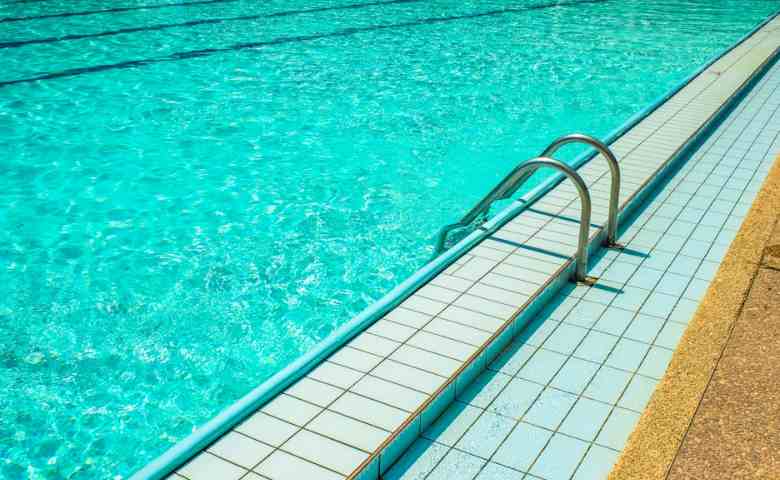
You should consider installing a pool or water amenity. They attract guests, retain tenants and give you an advantage over your competition.
However…
Building pools for commercial properties is completely different from typical residential projects. Done wrong, you’ll end up with fines, hazards, and an endless money pit.
Done right? You’ll have a money-making investment.
What you’ll learn:
- Why Commercial Properties Should Add Water Amenities
- Things to consider Before Construction
- Picking Your Perfect Pool Type
- Water Quality & Safety Regulations
- Ensuring Your Investment Pays Off
Table of Contents
Why Commercial Properties Should Add Water Amenities
Water amenities used to be a bonus for properties. But nowadays, they’re quickly becoming a requirement to compete.
Let me explain…
Imagine you’re a hotel guest checking to stay. Or maybe you’re renting an apartment and trying to decide where to live. Where do you look first?
According to a recent survey from VivoAquatics, swimming pools and hot tubs ranked second when travelers looked to book accommodations. Only complimentary breakfast ranked higher.
That’s significant.
Water amenities play a massive role in where people choose to stay and travel. Properties without them will start falling behind and lose business.
It’s not just hotels either. Fitness centers, apartment complexes, resorts, and many other businesses benefit from pool construction. Partnering with skilled commercial swimming pool builders can help ensure your project suits your exact needs.
Need more proof? The swimming pool construction industry in the U.S. is now worth $16.5 billion as of 2025. With that level of growth, it’s clear the demand for both residential and commercial pools is booming.
Things To Consider Before Construction
Commercial swimming pool construction requires a lot of forethought before the first shovel even breaks ground.
Here’s what you should be considering…
Space and Location
Above anything else, pool placement is important. Things to consider include:
- Pool square footage and deck space
- Distance from bathrooms and changing areas
- Ability for maintenance equipment to access the pool
- Pool environment (sunlight/wind direction)
- Separation from buildings/property lines
Each of these factors plays a role in construction costs and long-term maintenance. Pool location can create higher ongoing expenses if you’re not careful.
Budget
Commercial pools aren’t cheap to build. There are many variables that go into cost depending on your pool type and desired features.
But there’s more to think about than initial construction costs.
When budgeting your new pool, account for:
- Construction & materials
- Chemical and maintenance expenses
- Lifeguarding/swimming pool staffing
- Increased insurance premiums
- Electricity to run heaters, pumps, filters
Price out the full cost of ownership before committing to your pool project. This will help you avoid unexpected budget drains later on.
Timeline
Building commercial pools takes time. Don’t rush the process or you’ll open yourself up to problems down the road.
Realistically, your project will take several months from start-to-finish. Design & engineering, permit processing, construction, inspections, final approvals.
You’ll want to factor all of these into your timeline before committing to build.
Picking Your Perfect Pool Type
Commercial swimming pools come in many different shapes and sizes. But how you intend to use your pool matters when picking a type.
Concrete
Concrete pools can be built to nearly any shape or size you desire. With custom concrete pools, the options are limitless.
They’re incredibly durable and perfect for heavy commercial use. However, you’ll pay more money and wait longer for installation.
Fiberglass
For quick installation and easy maintenance, fiberglass is the way to go. Fiberglass pools resist algae and use fewer chemicals.
You do sacrifice some customizability though. Commercial fiberglass pools come in stock shapes/sizes only.
Vinyl Liner
Vinyl pools are another cheap alternative to inground concrete. While you can still customize shape and size, liners need replacing every few years.
Commercial buildings with high traffic pools won’t benefit from vinyl pools. They don’t hold up as long as other materials.
Water Quality & Safety Regulations
This is where things start to differ between building commercial vs. residential pools.
Commercial swimming pools must adhere to strict guidelines set by local authorities. Your local health department will have codes about pools. You’ll need ADA accessible entries and adhere to building ordinances.
Here are a few things to consider:
- Proper fencing and barrier methods
- ADA pool entry requirements
- Depth/Rules signage
- Emergency pool equipment
- Lighting around pool areas
- Correct drain grates
Not following proper codes can cost you money in fines. Not to mention potential closures if health inspectors find you non-compliant. You also open up your risk for liability if anyone is injured.
Over 50% of hotel guests reported that they experienced a pool closure during their stay according to that same VivoAquatics survey. Many of these pools were closed due to maintenance or compliance issues that could’ve been avoided.
Ensuring Your Investment Pays Off
Installing a pool is great, but you have to maintain it to keep attracting consumers.
Follow these tips to ensure your pool stays valuable:
Invest In Water Quality
Would you swim in a murky pool? Your guests and tenants won’t either.
Don’t let poor water quality be the reason you lose business. Invest in top-notch filtration and maintain proper chemical levels. Have your water professionally serviced on a regular basis.
Prepare For High Traffic
Commercial pool use is drastically higher than a residential pool. Your install needs to be built with heavy use in mind.
Use commercial-grade materials/builds wherever possible. The last thing you want is to cut costs and have your pool fall apart under higher traffic.
Year Round Benefits
Depending on your location and climate, you may want some extra features.
- Pool heaters
- Pool enclosures
- Spas/Hot Tubs
Making your pool an attractive proposition year-round will lead to more users no matter the season.
Wrapping It All Up
Commercial pool construction takes careful planning and consideration.
There are tons of benefits to adding pools to your property. Commercial properties with pools attract more business and can charge higher rates. Give your property the advantage it needs to stand out from others.
Just remember to do your research, pick the right builder, and follow local guidelines. Proper planning now will save you from losing money in the long run.
Building a pool is a major investment. Make sure you maintain it correctly and you’ll never find yourself swimming in money trouble again.
Related Posts:
- The Ultimate Guide to Swimming Pool Construction
- The Ultimate Guide to Hiring Swimming Pool Contractors
- Things to keep in mind about mosaic swimming pools
- 6 Ways Coworking Helps Entrepreneurs
- Essential Tips for Estimating Patio Renovation Costs
