

Last Updated on November 7, 2024 by Admin
Handrails are essential components in building and home design, often required for safety and accessibility. However, beyond functionality, handrails also play a significant role in defining the aesthetics of a space. Whether in a modern apartment, a classic home, or a commercial building, handrail design contributes to both the visual appeal and structural integrity of the area. Thoughtful design can turn handrails from mere fixtures into stylish, cohesive elements that elevate the entire look of a space.
ConstructionCareerHub App is LIVE — built ONLY for construction careers. Don’t apply with a weak resume.
Get ATS-ready Resume Lab + Interview Copilot + Campus Placement Prep (resume screening, skill gaps, interview readiness) — in minutes & Other advanced features.
Explore Smarter Construction Career Tools →Quick check. Big impact. Start now.
Table of Contents
The Aesthetic Importance of Handrails
Handrails are no longer limited to basic, utilitarian styles. With advancements in design and materials, they have evolved to become statement pieces, adding a unique charm to staircases, balconies, and terraces. From minimalist glass railings to intricately designed wrought iron, the choice of handrail design can greatly influence the atmosphere of a room. A sleek, modern handrail with clean lines can make a space feel more open and contemporary, while a classic wood or iron handrail can bring warmth and traditional elegance.
The right handrail design enhances the architecture of a home or building. For example, choosing a design that complements other elements, like flooring and wall textures, creates a harmonious and visually pleasing environment. Designers now recognize that handrails are an integral part of interior and exterior decor, allowing them to become key features in transforming spaces.
Functional Safety Meets Style
Handrails primarily provide safety by offering support for individuals navigating stairs, ramps, or elevated areas. For young children, the elderly, and those with mobility challenges, handrails are essential for preventing accidents. The importance of choosing high-quality, durable materials cannot be overstated, as these materials ensure the stability and longevity of the handrails.
The combination of functionality and style is achievable through innovative designs and quality materials. Metal, wood, glass, and wrought iron are popular options, each offering unique benefits and visual impact. Glass and metal, for instance, provide a modern, airy feel ideal for open-concept spaces, while wood and iron are often selected for their timeless appeal and robust construction. Whatever the choice, balancing aesthetics with functionality is key in designing a safe yet beautiful handrail.
Interior Handrail Design
In interior spaces, handrails contribute significantly to the overall ambiance of a room. Staircases are often a focal point in multi-story homes, and the handrail is central to their visual impact. Modern homes frequently incorporate minimalist handrail designs to create a seamless flow, while traditional homes may opt for more elaborate designs to enhance a classic aesthetic.
Materials also play a crucial role in determining the style of interior handrails. Wood is a popular choice for its warmth and versatility, while glass offers a sleek, contemporary look that can make smaller spaces appear larger. Metal and wrought iron add a sense of sophistication and durability, with options for intricate detailing. Regardless of the material, the craftsmanship and finish of the handrail will dictate its impact on the room’s design.
Exterior Handrail Design
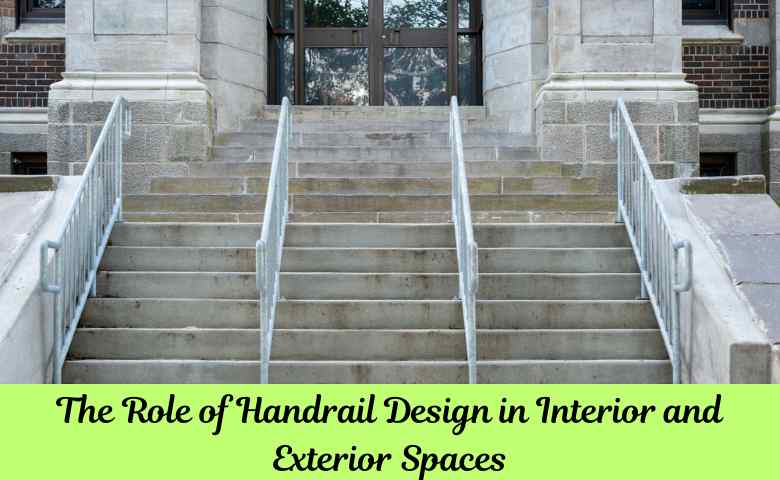
Exterior handrails not only need to be visually appealing but also weather-resistant and durable. They are often used on porches, decks, patios, and outdoor staircases, and must withstand varying weather conditions. Wrought iron, aluminum, and treated wood are common choices for outdoor handrails due to their resilience and ability to handle moisture, temperature changes, and other environmental factors.
Choosing a handrail design for the exterior involves considering both functionality and curb appeal. For instance, wrought iron handrails can add a touch of old-world charm to a home’s entrance, while modern glass railings on balconies offer a minimalist, unobstructed view. When well-maintained, exterior handrails can significantly enhance the home’s curb appeal and create a welcoming, stylish entrance.
The Value of Custom Designs
Opting for custom made handrails allows homeowners and designers to tailor each piece to fit the specific needs and aesthetics of the space. Custom designs enable unique shapes, materials, and finishes that align with personal style preferences and architectural elements. This approach ensures that the handrail not only complements the space but also meets specific functional requirements, such as height and grip, making it both beautiful and practical.
Custom handrails are especially beneficial in spaces with unique architectural features or irregular layouts. Whether it’s a spiral staircase that requires a continuous handrail or a balcony that needs a specific height for safety, custom designs provide flexibility. These handrails can also incorporate bespoke details, from intricate scrollwork to specific color finishes, that add a distinct character to the home.
Eco-Friendly and Sustainable Choices
With a growing emphasis on sustainability, handrail design now includes eco-friendly options that reduce environmental impact. Recycled metals, sustainably sourced wood, and durable materials that require minimal maintenance are now commonly available. This shift allows homeowners to choose handrails that align with environmentally responsible principles while still offering exceptional style and safety.
Conclusion: A Balancing Act of Form and Function
Handrail design plays a pivotal role in enhancing both the safety and beauty of interior and exterior spaces. By carefully selecting materials, styles, and finishes, homeowners and designers can create handrails that not only serve a practical purpose but also add character and elegance. Custom designs enable a high level of personalization, ensuring that each handrail fits seamlessly within its environment.
Ultimately, handrails are more than just functional fixtures—they are integral to a space’s style and comfort, bridging the gap between utility and art. When designed thoughtfully, handrails can significantly elevate a home’s aesthetic appeal and ensure it remains safe and accessible for everyone.
