
Last Updated on May 13, 2026 by Admin
Commercial cleaning equipment represents a significant operational expense for construction firms, particularly across large-scale or multi-site projects where maintaining safe and compliant work environments is essential. With project budgets under constant pressure, many construction businesses are looking for smarter ways to reduce overhead costs without compromising operational performance. One increasingly effective strategy is purchasing used or refurbished equipment through a trusted commercial cleaning equipment auction.
ConstructionCareerHub App is LIVE — built ONLY for construction careers. Don’t apply with a weak resume.
Get ATS-ready Resume Lab + Interview Copilot + Campus Placement Prep (resume screening, skill gaps, interview readiness) — in minutes & Other advanced features.
Explore Smarter Construction Career Tools →Quick check. Big impact. Start now.
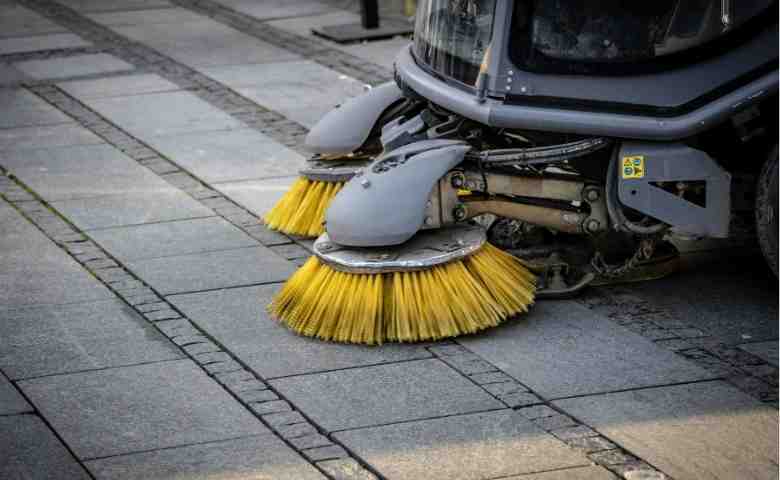
Machines such as ride-on scrubbers, industrial sweepers, pressure washers, and heavy-duty wet vacuums play a critical role in maintaining construction site safety, cleanliness, and productivity. However, purchasing this equipment brand new can place unnecessary strain on operating budgets, especially when multiple projects require similar machinery at the same time.
By adopting more strategic procurement practices, construction firms can reduce capital expenditure while still accessing reliable, high-performing equipment suited to demanding site conditions.
Table of Contents
Why Auctions Have Become a Smart Procurement Tool
Auctions have long been part of the construction industry, particularly for acquiring heavy machinery and plant equipment. The same cost-saving principles now apply to cleaning equipment procurement. Attending a commercial cleaning equipment auction allows construction firms to purchase quality machinery at substantially lower prices than traditional retail channels.
Commercial cleaning equipment listed through platforms such as Slattery Auctions is often sourced from businesses liquidating assets, upgrading equipment fleets, or selling surplus inventory. This creates opportunities for construction companies to secure well-maintained machinery without paying full retail prices.
The financial advantages are clear. A ride-on scrubber that may cost more than $25,000 (when purchased new) can often be secured at auction for considerably less. For construction firms operating across multiple sites, these savings can quickly improve procurement efficiency and overall project profitability.
The Real Cost of Cleaning on Construction Sites
Commercial cleaning is a necessary part of construction operations and is frequently required to meet workplace safety standards, project specifications, and client expectations. Some industry estimates suggest that construction companies may spend between 5 and 9 per cent of a project’s budget on cleaning supplies, maintenance, and related operational costs.
Once equipment purchases are included, these expenses can increase significantly. Essential machinery such as industrial sweepers, floor scrubbers, pressure washers, and wet vacuums often require a substantial upfront investment when purchased new. For firms managing multiple projects simultaneously, equipping each site with new machinery can quickly impact cash flow and operating budgets.
In addition, new equipment begins depreciating immediately after purchase. Because of these financial pressures, many construction businesses are exploring more cost-effective procurement methods, including refurbished equipment, leasing arrangements, and secondary equipment suppliers that offer dependable machinery at lower acquisition costs.
Evaluating Equipment Before You Bid
Successful auction purchasing requires preparation and due diligence. Entering an auction without proper research can lead to unnecessary repair costs or unsuitable equipment purchases. Construction firms should assess several key factors before placing bids.
Review equipment specifications carefully. Confirm the make, model, age, service history, and operating hours wherever possible. Machines with lower operating hours often provide better long-term value and reduced maintenance risk, even if the purchase price is slightly higher.
Assess condition reports thoroughly. Reputable auction providers supply detailed condition reports, photographs, and inspection notes to help buyers make informed decisions. Comparing these reports against manufacturer specifications can help identify potential issues before bidding.
Consider servicing and parts availability. Equipment from manufacturers with strong local support networks in Australia typically offers faster access to replacement parts and servicing. This can help reduce operational downtime and maintenance costs over the long term.
Establish a strict bidding limit. Competitive auction environments can encourage impulsive purchasing decisions. Setting a maximum bid before the auction begins helps maintain procurement discipline and protects expected savings.
Comparing Auctions to Trade-In and Retail Options
Construction firms seeking to reduce procurement costs often compare auctions with trade-in programs, leasing arrangements, and traditional retail purchasing. While each approach offers certain advantages, auctions frequently provide greater long-term value for businesses focused on cost efficiency.
Trade-in programs may reduce the upfront price of new machinery, but they often limit flexibility and typically deliver smaller savings than competitive auction purchases. Buying new equipment provides benefits such as warranties and immediate availability, although these advantages usually come with significantly higher purchase costs.
For established construction firms with experienced maintenance teams, paying premium prices for manufacturer warranties may not always be necessary. Well-maintained used equipment purchased through reputable auction platforms can often deliver reliable performance at a much lower cost.
Leasing can also support short-term cash flow management by spreading payments over time. However, leasing does not create long-term asset ownership or residual value. For construction companies regularly using cleaning equipment across multiple projects, purchasing through auctions may provide stronger long-term financial benefits.
Developing a Long-Term Equipment Procurement Strategy
Construction firms often achieve better procurement outcomes when cleaning equipment purchasing is treated as part of a broader operational strategy rather than a reactive expense. A structured procurement approach can improve consistency across project sites while reducing costly last-minute purchases.
Regularly monitoring trusted auction platforms allows procurement teams to identify suitable equipment before competition increases. Many firms also use automated alerts to track specific machinery categories and avoid missing valuable purchasing opportunities.
Building relationships with auction specialists can also provide early visibility into equipment lots that align with fleet procurement plans and site cleaning requirements. Industry organisations such as the Building Service Contractors Association of Australia offer additional guidance on equipment standards, maintenance expectations, and operational best practices.
Reviewing these resources can help procurement teams establish clearer evaluation criteria when assessing used machinery. Aligning equipment procurement decisions with broader project budgeting and estimating processes can also support stronger financial performance across multiple construction projects.
A Smarter Approach to an Unavoidable Cost
Commercial cleaning remains an unavoidable part of construction operations, and the equipment required to support it represents a significant investment. Construction firms that approach procurement strategically, particularly through competitive auction platforms, can often secure better value than purchasing equipment at retail prices.
With careful planning, disciplined bidding, and proper equipment evaluation, construction businesses can acquire reliable cleaning machinery while preserving capital for core project delivery and operational growth.
Related Posts:
- How Green Vehicle Auctions Affect Construction and Real Estate
- How to Enhance Procurement in Construction Management
- Navigating Retail Construction Challenges in Urban Environments
- Construction Materials and Supply: Careers in Supply and Management
