

Last Updated on August 21, 2023 by Admin
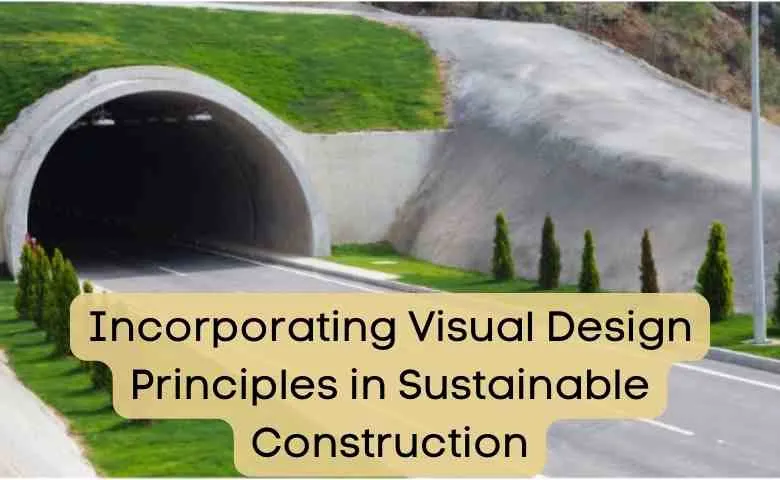
In our modern era, sustainable construction is just as much about reducing environmental impact as it is about incorporating striking visual design principles that enhance city aesthetics.
ConstructionCareerHub App is LIVE — built ONLY for construction careers. Don’t apply with a weak resume.
Get ATS-ready Resume Lab + Interview Copilot + Campus Placement Prep (resume screening, skill gaps, interview readiness) — in minutes & Other advanced features.
Explore Smarter Construction Career Tools →Quick check. Big impact. Start now.
By consciously blending the two, architects and designers can create structures that are not only eco-friendly and energy-efficient but also visually captivating and pleasing to inhabit. As we delve into ways to incorporate visual design principles into eco-construction, let’s explore how innovation, ecology, and aesthetics work together to revolutionize our built environment.
Table of Contents
12 Ways to Include Design Principles in Sustainable Construction
Nowadays, it’s much easier to combine aesthetically pleasing design and sustainable construction principles. Here’s how modern designers do just that when creating our cities.
1. Use of Natural Light
Incorporating large windows, skylights, and translucent materials in your designs allows for maximum use of daylight. This strategy lessens dependence on electric lighting, enhances the overall aesthetic appeal of the place, and includes a visually uplifting element to the structure.
2. Energy-Efficient Materials
The selection of energy-efficient materials is essential in sustainable construction. It’s about choosing aesthetically pleasing components that also have a low environmental impact. Materials like bamboo and recycled steel can enhance visual design whilst being eco-friendly.
3. Green Roofs and Walls
Integrating green roofs and walls into your construction designs can significantly enhance sustainability while improving visual aesthetics. These elements serve a dual purpose: they provide insulation, helping to regulate building temperature and absorb carbon emissions.
4. Text to Image AI Tool
Incorporating a text to image AI tool in your design process can be a game-changer. This technology takes your textural data to create realistic visual models, eliminating wastage and offering a vision of the final design with sustainable elements before beginning construction.
5. Local Resources Utilization
Local resource utilization means to leverage locally sourced materials, reducing transportation emissions. By doing so, you can create visually appealing structures which reflect the local cultural heritage and contribute to both eco-preservation and community engagement.
6. Weather Adaptability
Building designs that adapt to local weather conditions can enhance both efficiency and aesthetics. For instance, wide eaves in hotter climates can shade windows from excessive sunlight, reducing energy needs for cooling while adding a unique architectural style.
7. Integrating Renewable Energy
Cleverly positioning renewable energy systems like solar panels or wind turbines in your designs can create a distinct architectural visual while ensuring an eco-friendly power source. Such an innovative approach celebrates both the beauty and function of sustainable design.
8. Water Efficiency Design
Incorporating water efficiency features in your designs can greatly contribute to sustainable construction. Visually compelling elements like rainwater harvesting systems or greywater recycling units are aesthetically engaging and bolster efforts toward water conservation.
9. Space Optimization
Space optimization is a key principle in sustainable visual design. By cleverly utilizing space, you can create multi-functional areas that reduce material consumption without compromising aesthetics. This echoes sustainability goals and crafts adaptable and appealing interiors.
10. Repurposed Elements
With a creative mindset, you can transform used materials and repurpose elements like old pallets or glass bottles into eye-catching features that emanate personality. This approach brings together creativity, resource conservation, and style in the most effective way.
11. Biophilic Design
Biophilic design is a principle where natural elements are incorporated into the built environment. Using elements like indoor plants, water bodies, or patterns imitating nature not only enhances the visual appeal but also significantly improves occupant well-being.
12. Sustainable Landscaping
When you select native, low-maintenance plants for landscaping, you ensure they thrive naturally, requiring fewer resources. These landscapes harmonize with their surroundings, creating a visually pleasing continuity from built form to the untouched natural environment.
In Conclusion…
Visual design principles can play a significant role in sustainable construction. These methods elevate aesthetics while integrating eco-friendly strategies within our built environments. So, why not consider embracing these principles in your next project? From utilizing natural light to incorporating renewable energy systems, there’s an array of possibilities to explore.
Let’s build for the future, one that is purposefully designed to support both visual appeal and sustainability. Every step toward sustainable design is a step toward a better planet.
