

Last Updated on January 8, 2026 by Admin
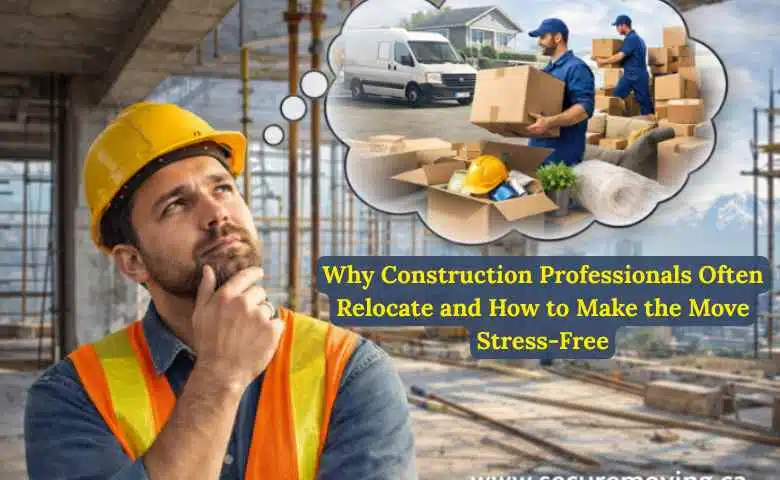
Relocation is an almost unavoidable reality for many construction professionals. Whether you are a skilled tradesperson, site supervisor, project manager, or engineer, your career is often tied to where projects are happening. Large-scale developments, infrastructure upgrades, commercial builds, and residential expansions rarely stay in one place for long. As a result, moving becomes part of professional growth rather than a one-time life event.
ConstructionCareerHub App is LIVE — built ONLY for construction careers. Don’t apply with a weak resume.
Get ATS-ready Resume Lab + Interview Copilot + Campus Placement Prep (resume screening, skill gaps, interview readiness) — in minutes & Other advanced features.
Explore Smarter Construction Career Tools →Quick check. Big impact. Start now.
While relocation can open doors to better opportunities, higher pay, and career advancement, it can also be a major source of stress if not handled properly. Tight timelines, long work hours, and the physical demands of construction work leave little room for dealing with the logistics of a move. Understanding why relocation is so common in construction—and how to manage it efficiently—can make a significant difference in both your professional performance and personal well-being.
Table of Contents
Why relocation is common in construction careers
Construction is a project-driven industry. Unlike office-based roles that stay fixed in one city, construction work follows development cycles and investment patterns. Some of the most common reasons construction professionals relocate include:
- New large-scale projects launching in different regions
- Short-term or rotational contracts
- Promotions into supervisory or management roles
- Specialized skills being required in specific markets
- Seasonal demand shifts
- Economic growth in urban centers
Major cities often experience construction booms that attract talent from across provinces or even internationally. Professionals who are flexible and willing to relocate are often first in line for better-paying roles or leadership opportunities.
Career growth often depends on mobility
For many construction professionals, relocation is directly linked to career progression. Staying in one location can limit exposure to larger or more complex projects, while moving opens access to diverse work environments and advanced responsibilities.
Relocating can help you:
- Gain experience on high-profile projects
- Work with new technologies and building methods
- Expand your professional network
- Access higher wages in stronger markets
- Move into management or specialized roles
Employers often favor candidates who demonstrate mobility and adaptability. Being open to relocation signals commitment to the industry and a willingness to grow.
The hidden challenges of relocating for construction work
Despite its benefits, relocation can be disruptive if it is not planned carefully. Construction professionals face unique challenges compared to other industries.
Some of the most common issues include:
- Short notice before a project starts
- Long workdays that leave little time for moving tasks
- Transporting tools, safety gear, and equipment
- Finding housing close to job sites
- Coordinating moves around unpredictable schedules
- Balancing family needs with work demands
When these challenges pile up, relocation can feel overwhelming and distract from your primary focus: performing well on the job.
Why professional support makes a difference
Trying to manage a move alone while starting a demanding construction role can quickly lead to burnout. Many professionals underestimate how physically and mentally exhausting moving can be, especially when combined with a new job.
This is why using reliable moving services in Vancouver is often the most practical solution for construction professionals relocating to high-demand markets. Professional movers understand how to handle time-sensitive moves, heavy items, and complex logistics, allowing you to focus on your work instead of your boxes.
How stress impacts job performance
Stress from relocation does not stop once you arrive at your new city. Poorly planned moves can lead to:
- Fatigue and lack of sleep
- Difficulty focusing on safety procedures
- Lower productivity on site
- Increased risk of injury
- Strained personal relationships
Construction is an industry where attention to detail and physical readiness matter. Reducing relocation stress is not just about comfort—it directly affects your performance and safety.
Planning ahead even with short notice
Even when relocation timelines are tight, having a basic strategy can reduce chaos. Construction professionals who move frequently often develop a system that allows them to pack, relocate, and settle quickly.
Helpful planning tips include:
- Keeping essential documents and certifications in one place
- Maintaining an inventory of tools and equipment
- Decluttering regularly to reduce moving volume
- Preparing a basic moving checklist
- Booking professional movers as early as possible
Advance preparation turns relocation into a manageable process rather than a crisis.
The role of packing and organization
Packing is one of the most time-consuming parts of any move. For construction professionals, it is even more complex due to specialized gear, safety equipment, and tools.
Relying on professional Packing and unpacking services can significantly reduce the physical and mental load. Instead of spending evenings and weekends packing, you can rest, prepare for your role, or spend time with family before the move.
Professional packing support helps with:
- Safe handling of heavy or fragile items
- Efficient labeling and organization
- Faster unpacking at the new location
- Reduced risk of damage or loss
- Less downtime after arrival
This level of organization is especially valuable when you need to be job-ready immediately.
Relocating with family adds another layer
For construction professionals with families, relocation decisions are even more complex. Schools, childcare, spousal employment, and community support all need to be considered alongside job requirements.
Family-focused relocation planning may involve:
- Researching neighborhoods near job sites
- Understanding school enrollment timelines
- Planning moves during school breaks
- Choosing housing with flexible lease terms
- Coordinating move-in dates carefully
Professional movers can help streamline the process so that family transitions are smoother and less disruptive.
Long-distance and interprovincial moves
Many construction roles require moving across provinces rather than within the same city. Long-distance moves introduce additional considerations such as:
- Transportation regulations
- Travel time coordination
- Storage needs
- Weather-related delays
- Higher logistical complexity
Working with experienced movers ensures that long-distance relocations are handled professionally, reducing uncertainty and delays.
Minimizing downtime between projects
Downtime can be costly for construction professionals, especially contractors and freelancers. Every day spent unpacking or dealing with moving issues is a day not earning or preparing for work.
Efficient relocation strategies help minimize downtime by:
- Ensuring belongings arrive on schedule
- Allowing immediate access to essential items
- Reducing the need for repeat trips
- Supporting quick setup of living spaces
When relocation is handled smoothly, you can transition between projects without losing momentum.
Mental readiness and settling in
Relocation is not just physical—it is also mental. Starting work in a new city while living out of boxes can make it harder to feel settled and focused.
Unpacking and organizing your space quickly can:
- Improve sleep quality
- Reduce anxiety
- Create a sense of stability
- Help establish routines faster
This is another reason professional packing and unpacking support plays a critical role in stress reduction.
Safety considerations during relocation
Construction professionals are particularly vulnerable to injury if they attempt to handle heavy lifting during a move. After long workdays, fatigue increases the risk of accidents.
Professional movers are trained to:
- Lift heavy furniture safely
- Use proper equipment
- Protect both people and property
- Handle bulky or awkward items
Avoiding injury during relocation is essential for maintaining consistent employment and income.
Making relocation a sustainable part of your career
For many in construction, relocation is not a one-time event but a recurring part of their career. Treating moving as a professional process rather than a personal burden can make a significant difference.
A sustainable relocation mindset includes:
- Budgeting for professional moving services
- Choosing housing with flexibility in mind
- Keeping possessions minimal and functional
- Building relationships with reliable movers
- Viewing relocation as an investment in your career
Over time, these habits reduce stress and increase confidence when new opportunities arise.
Final thoughts
Relocation can create valuable opportunities for professional and personal growth, but it also comes with significant challenges when not managed properly. Without careful planning and reliable support, moving can become stressful, time-consuming, and physically demanding, affecting focus, productivity, and overall well-being during important life transitions.
By recognizing the challenges early and relying on experienced moving services in Vancouver and professional Packing and unpacking services, construction professionals can transform relocation from a stressful obligation into a manageable, efficient process.
When your move is handled correctly, you can arrive focused, energized, and ready to perform—allowing you to take full advantage of the opportunities that relocation brings and continue building a successful, resilient career in construction.
Related Posts
- Tips for Successful Job Relocation
- 5 Tips & Best Practices When Relocating Construction Teams
- How Professional Movers Can Transform Your Office Relocation into an Adventure
- What are the best tips experts give for moving?
- 5 Tips for Choosing the Right Moving Company for Your Home Move
