

Last Updated on August 30, 2024 by Admin
Upgrading your shower can be one of the most transformative home improvement projects. Whether you’re looking to enhance the aesthetics, increase functionality, or boost your home’s value, a shower upgrade offers countless benefits. This guide will walk you through everything you need to know about upgrading your shower, focusing on trends like walk-in bathroom showers and practical considerations to ensure your project is a success.
ConstructionCareerHub App is LIVE — built ONLY for construction careers. Don’t apply with a weak resume.
Get ATS-ready Resume Lab + Interview Copilot + Campus Placement Prep (resume screening, skill gaps, interview readiness) — in minutes & Other advanced features.
Explore Smarter Construction Career Tools →Quick check. Big impact. Start now.
Table of Contents
Why Upgrade Your Shower?
1. Improve Aesthetics
A shower upgrade can dramatically change the look and feel of your bathroom. Modern showers, especially walk-in bathroom showers, offer sleek, minimalist designs that can make even small bathrooms feel more spacious and luxurious. Upgrading the shower can also allow you to incorporate new tiles, fixtures, and glass enclosures that reflect contemporary design trends.
2. Enhance Functionality
Older showers may lack the features and convenience of modern designs. An upgrade provides the opportunity to add features such as rain showerheads, handheld sprayers, and digital controls. For those with mobility issues, a walk-in bathroom shower can offer safer and more comfortable access, eliminating the need for stepping over a high bathtub edge.
3. Increase Home Value
A bathroom remodel is one of the best investments you can make in your home, with an excellent return on investment. An upgraded shower, especially a walk-in bathroom shower, can make your home more appealing to potential buyers, helping it sell faster and possibly at a higher price.
Planning Your Shower Upgrade
1. Determine Your Budget
Before diving into any renovation project, it’s crucial to establish a budget. The cost of upgrading a shower can vary significantly based on the materials used, the complexity of the installation, and whether you’re hiring professionals or taking a DIY approach. A basic shower upgrade might cost a few thousand dollars, while a high-end renovation with luxury finishes and fixtures could run into the tens of thousands.
2. Choose the Right Type of Shower
The type of shower you choose will largely depend on your bathroom’s layout, your personal preferences, and your budget. Here are some popular options:
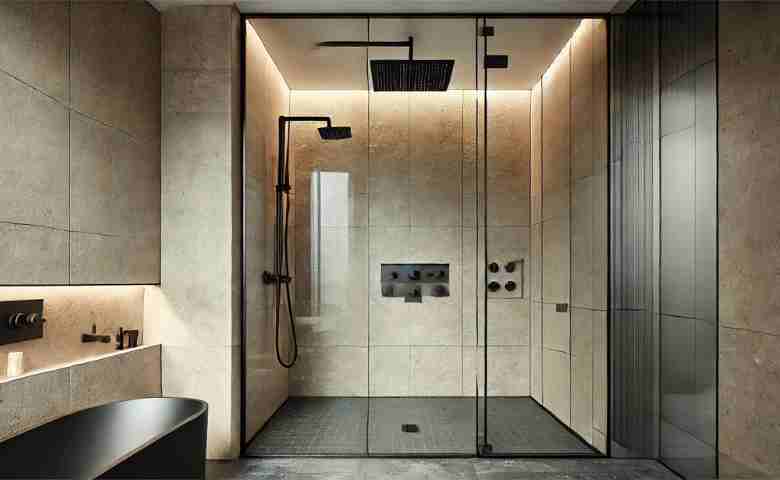
- Walk-In Bathroom Showers: These are increasingly popular due to their accessibility, modern look, and versatility. They are ideal for those who want a spacious shower area without the confines of a door or curtain.
- Shower-Tub Combos: Ideal for smaller bathrooms, these offer the best of both worlds. You can enjoy a relaxing bath or a quick shower, depending on your mood.
- Corner Showers: Perfect for maximizing space in smaller bathrooms, corner showers can be either enclosed or open, with a variety of door options.
- Steam Showers: If you’re looking for a spa-like experience at home, a steam shower can be a luxurious upgrade. These showers create a warm, humid environment that can help relax muscles and improve circulation.
3. Consider Materials and Finishes
The materials you choose will have a significant impact on the overall look and feel of your shower, as well as its durability. Here are some popular options:
- Tiles: Ceramic, porcelain, and natural stone tiles are popular choices for shower walls and floors. They offer a wide range of styles, colors, and textures, allowing you to create a custom look. Porcelain tiles are particularly durable and resistant to water, making them ideal for shower areas.
- Glass: Frameless glass doors and enclosures are a hallmark of modern walk-in bathroom showers. They provide an open, airy feel and showcase the beauty of your tile work. Frosted or textured glass can offer more privacy if desired.
- Fixtures: The showerhead, faucets, and other fixtures can make a big difference in the overall experience. Consider upgrading to high-quality, stylish fixtures that match the overall design of your bathroom. Brushed nickel, matte black, and chrome are popular finishes.
- Shower Pans: The shower pan, or base, is an essential component of any shower. Options include acrylic, fiberglass, and tile, each with its own advantages. Tiled shower pans offer a custom look and can be designed to match or complement the rest of the shower.
4. Incorporate Smart Features
Incorporating smart technology into your shower upgrade can add convenience, comfort, and even energy savings. Some features to consider include:
- Digital Shower Controls: These allow you to set the water temperature, pressure, and even create personalized shower profiles for each family member.
- Smart Water Heaters: These can be programmed to provide hot water on demand, reducing wait times and saving energy.
- Voice-Activated Features: Integrate your shower with your home’s smart system to control it with voice commands, making the experience more hands-free.
- LED Lighting: Color-changing LED lights can enhance the ambiance of your shower, providing a relaxing or invigorating atmosphere depending on your mood.
Step-by-Step Guide to Upgrading Your Shower
Step 1: Assess Your Current Shower
Begin by evaluating your existing shower. Identify what you like and dislike about it. Consider its size, layout, and the condition of the plumbing and fixtures. This assessment will help you determine the scope of your upgrade.
Step 2: Design Your New Shower
Once you have a clear idea of what you want, start designing your new shower. If you’re opting for a walk-in bathroom shower, think about the placement, the type of glass enclosure, and the tile design. Use design tools or consult with a bathroom designer to create a plan that fits your space and style.
Step 3: Choose Your Materials
Selecting the right materials is crucial for both aesthetics and durability. Invest in high-quality tiles, fixtures, and glass to ensure your shower not only looks great but also stands the test of time. Make sure the materials are water-resistant and easy to maintain.
Step 4: Hire a Professional (or DIY?)
Decide whether you’ll tackle the project yourself or hire professionals. While a DIY approach can save money, it’s essential to have the necessary skills and tools. For complex installations, especially those involving plumbing or electrical work, it’s best to hire a licensed contractor to ensure everything is done correctly and safely.
Step 5: Demolition and Preparation
If you’re replacing an existing shower, the first step is demolition. Remove the old tiles, fixtures, and shower pan carefully to avoid damaging the plumbing or surrounding walls. Prepare the area by repairing any damage and ensuring the walls and floor are level and ready for installation.
Step 6: Installation
This is where your new shower begins to take shape. Start by installing the shower pan, followed by the wall tiles and fixtures. If you’re installing a walk-in bathroom shower, the glass enclosure will be one of the final steps. Make sure everything is sealed correctly to prevent leaks.
Step 7: Finishing Touches
Once the installation is complete, add the finishing touches. This might include installing a shower caddy, adding a new shower curtain or door, and decorating the bathroom to match your new shower. Don’t forget to test everything to ensure it works correctly and there are no leaks.
Walk-In Bathroom Showers: The Modern Trend
The Benefits of Walk-In Showers
Walk-in bathroom showers are becoming increasingly popular for several reasons. They offer a clean, modern look that can make any bathroom feel more luxurious. Additionally, they provide easy access, making them a great option for those with mobility issues or anyone looking for a more comfortable shower experience.
Design Ideas for Walk-In Showers
Here are some design ideas to inspire your walk-in bathroom shower upgrade:
- Open Concept: Eliminate doors and curtains for a true walk-in experience. Use frameless glass or a partial wall to separate the shower from the rest of the bathroom while maintaining an open feel.
- Natural Stone: Incorporate natural stone tiles on the walls and floor for a spa-like atmosphere. Slate, marble, and travertine are popular choices that add texture and warmth.
- Minimalist Fixtures: Opt for sleek, minimalist fixtures in matte black or brushed nickel. These finishes provide a contemporary look and contrast beautifully with light-colored tiles.
- Rain Showerhead: Install a large rain showerhead for a luxurious experience. Pair it with a handheld sprayer for added functionality.
Accessibility Considerations
For those with mobility challenges, walk-in bathroom showers can be customized to meet specific needs. Consider installing grab bars, a built-in bench, and non-slip flooring to enhance safety. A curbless shower design can make it easier to enter and exit without the need to step over a threshold.
Maintenance Tips for Your Upgraded Shower
Regular Cleaning
To keep your upgraded shower looking its best, regular cleaning is essential. Use a mild, non-abrasive cleaner to prevent damage to the tiles and fixtures. Wipe down glass enclosures after each use to prevent water spots and soap scum buildup.
Preventing Mold and Mildew
Mold and mildew can be a problem in any bathroom, especially in the shower. Ensure proper ventilation by using an exhaust fan during and after showers. Regularly clean grout lines and consider using a grout sealer to prevent moisture from penetrating the tiles.
Inspect for Leaks
Even the best-installed showers can develop leaks over time. Periodically inspect the caulking and seals around your shower to ensure they are intact. Address any issues promptly to prevent water damage.
Replace Showerheads and Fixtures
Over time, mineral deposits can build up in your showerhead, reducing water pressure and affecting the quality of your showers. Consider replacing the showerhead and fixtures every few years to maintain optimal performance and update the look of your shower.
Conclusion
Upgrading your shower is an investment in your home’s comfort, functionality, and value. Whether you’re opting for a modern walk-in bathroom shower or upgrading an existing design, the possibilities are endless. By carefully planning your project, choosing the right materials, and considering the latest trends, you can create a shower that not only meets your needs but also enhances your daily routine.
As you embark on your shower upgrade, remember that attention to detail and quality craftsmanship are key to achieving a bathroom that will serve you well for years to come. Whether you go the DIY route or hire a professional, take the time to ensure every aspect of your new shower is perfect. The result will be a space where you can relax, rejuvenate, and enjoy a little bit of luxury every day.
Related Posts:
- Three Ways to Put a Shower Over Your Bath – and Tips for a Great Showering Experience
- The Critical Benefits of Installing a Shower Filter
- 10 Steps To Build Your Own DIY Shower Enclosure
- How do I make a small bathroom functional?
- Why do you need to remodel your home bathroom?
