

Last Updated on January 23, 2026 by Admin
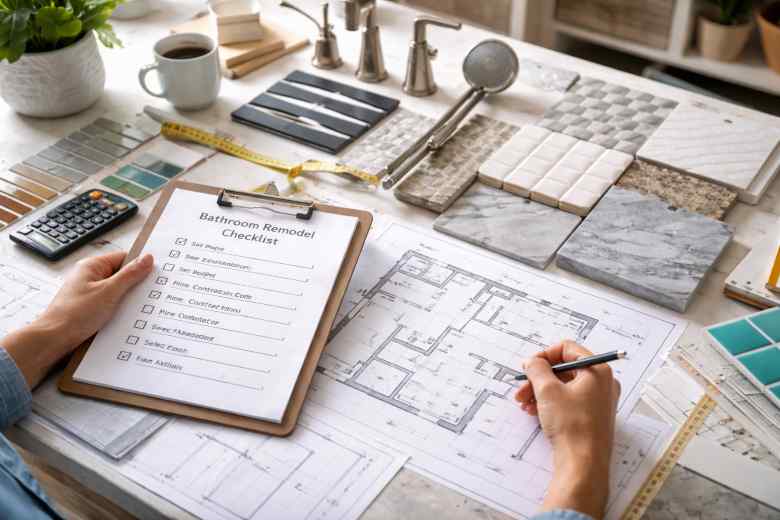
A bathroom remodel starts long before any tools come out. The more thought you put into how the space is used, what can realistically change, and what needs to stay flexible, the smoother the process tends to be. Good preparation creates room for better decisions and fewer compromises once the work is underway.
ConstructionCareerHub App is LIVE — built ONLY for construction careers. Don’t apply with a weak resume.
Get ATS-ready Resume Lab + Interview Copilot + Campus Placement Prep (resume screening, skill gaps, interview readiness) — in minutes & Other advanced features.
Explore Smarter Construction Career Tools →Quick check. Big impact. Start now.
This guide walks through the key elements to think about before starting, so you can move into the process with clarity, realistic expectations, and a plan you can actually work with.
Table of Contents
Understanding Why You’re Remodeling
Before measurements, materials, or contractors enter the picture, slow down and define what this remodel is really meant to solve. Many problems later in the process come from skipping this stage or treating it too lightly.
Setting Clear Priorities Before You Start
Once the purpose is defined, priorities give structure to the entire process. Most bathroom remodels involve trade-offs, whether it’s budget, space, or time. Deciding early what matters most helps you navigate those trade-offs.
Some homeowners prioritize durability and easy maintenance. Others care most about comfort, storage, or visual impact. There are also practical priorities that often surface only after reflection, like minimizing downtime, keeping plumbing locations unchanged, or ensuring the space works for more than one person at a time.
Writing these priorities down may feel unnecessary, but it creates a reference point when decisions start piling up.
When faced with multiple options, you can ask a simple question: Does this support the main goal? That clarity tends to reduce stress, shorten decision time, and lead to a finished bathroom that feels intentional.
Planning a Realistic Budget
A bathroom remodel budget needs to account for how the space is built, how it’s used daily, and what might surface once work begins. A realistic budget leaves room for the expected and the less visible parts of the process, reducing stress and mid-project compromises.
Existing conditions matter
Older bathrooms often hide issues that only become clear after demolition starts. Aging plumbing lines, uneven subfloors, outdated electrical work, or weak ventilation systems can all require updates to meet current standards. Ignoring these conditions early can lead to rushed decisions later. Allocating part of the budget for addressing structural and mechanical realities allows the remodel to move forward properly instead of patching problems temporarily.
Construction creates secondary costs
Work doesn’t stay neatly inside the bathroom walls. Dust control, floor protection in adjacent rooms, extra cleaning, and minor repairs outside the main work zone all add up. These costs are usually modest on their own, but together they should be anticipated as part of the overall plan.
Some choices affect costs long after the remodel
Cutting corners on waterproofing, tile installation, or material quality often leads to higher costs later. Poor installation can result in leaks, cracked tiles, or mold issues that require repairs well before expected. Spending more on proper preparation, quality materials, and experienced installation usually reduces maintenance needs and protects the investment over time.
Think beyond the build phase
Certain upgrades influence long-term comfort and expenses:
- Effective ventilation helps prevent moisture damage and improves air quality.
- Well-planned lighting reduces the need for future adjustments and improves daily use.
- Water-efficient fixtures may cost more upfront but lower utility bills over time.
Considering these elements as part of a longer timeline helps balance immediate costs with lasting benefits.
Timeline Planning
Remodeling in general rarely moves in a straight line. Even with a solid plan, timelines tend to stretch once real-world constraints come into play. Knowing where delays usually happen helps you plan with fewer surprises and more realistic expectations.
- Permits, Inspections, and Local Requirements – Permits are often the first hidden delay. Depending on the scope of work and local regulations, approvals can take anywhere from a few days to several weeks. Inspections add another layer, especially if plumbing, electrical, or structural changes are involved. Missed paperwork or scheduling backlogs can pause progress even when the work itself is ready to move forward.
- Demolition and What It Reveals – Demolition is quick, but what’s uncovered can slow everything down. Old plumbing, outdated wiring, water damage, or non-compliant work from previous renovations may require revisions to the original plan. These discoveries often trigger additional approvals, revised timelines, or material changes that weren’t part of the initial schedule.
- Material Lead Times and Backorders – Fixtures, tiles, and custom elements don’t always arrive when expected. Some items look readily available at the planning stage, but later turn out to have long lead times or sudden backorders. If key materials are delayed, work may pause or need to be re-sequenced, which can affect the entire timeline.
- Scheduling Trades and Coordinating Work – Bathroom remodels rely on multiple specialists working in a specific order. Delays in one phase can push back everything that follows. Coordinating plumbers, electricians, tilers, and installers takes time, especially when availability is tight. This is one reason many homeowners choose to work with professional bathroom remodeling services, as experienced teams tend to anticipate overlaps and manage scheduling more efficiently.
- Final Adjustments and Inspections – Small fixes, alignment issues, inspection sign-offs, and final approvals can stretch the closing phase. While the space may look finished, these final steps are necessary before the bathroom is fully usable and officially complete.
Preparing Your Home and Routine for Construction
A bathroom remodel can disrupt daily routines if preparations aren’t made in advance.
Clearing nearby areas, protecting surfaces, and planning for limited access help reduce friction during construction.
It’s also useful to think through basic day-to-day needs, such as where toiletries will be stored, how morning routines may change, and whether temporary solutions are needed. Noise and dust tend to travel beyond the work area, so setting expectations with everyone in the household early can prevent frustration later.
If the bathroom work is part of a larger renovation plan, coordinating timelines early with room addition contractors can help avoid overlapping disruptions and extended periods of construction.
Ready to Move Ahead
Starting a bathroom remodel with a clear goal, tight planning, and real consideration for daily routines sets the stage for a more manageable process. There will be some noise, occasional inconvenience, and sometimes adjustments to the budget or timeline, but the preparations you’ve already made will help minimize friction along the way.
Related Posts:
- 7 Tips For Building A Warehouse With Limited Capital Outlay
- Why do you need to remodel your home bathroom?
- The Ultimate Guide to Hiring Home Remodeling Contractors
- Home Renovation vs. New Construction: Which Is Right for You?
