
Last Updated on February 21, 2026 by Admin
Rooftop fall protection systems are critical for securing workers in construction’s hazardous environments. Compliant fall protection systems help firms avoid costly Occupational Safety and Health Administration (OSHA) fines and violations that could result in significant financial losses or damage their reputations. The right provider gives organizations peace of mind, ensuring a reliable system that reduces the likelihood of failure.
ConstructionCareerHub App is LIVE — built ONLY for construction careers. Don’t apply with a weak resume.
Get ATS-ready Resume Lab + Interview Copilot + Campus Placement Prep (resume screening, skill gaps, interview readiness) — in minutes & Other advanced features.
Explore Smarter Construction Career Tools →Quick check. Big impact. Start now.
Table of Contents
What Is the Difference Between Active vs. Passive Fall Protection?
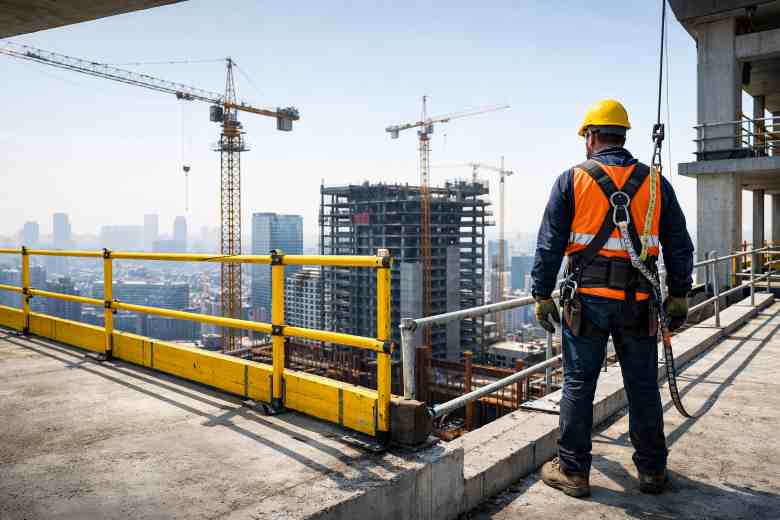
Falls are among the most common yet harmful incidents in the construction industry, and there are two main types of fall protection systems — active and passive. Active fall protection encompasses any equipment or system that is adjustable, transportable and requires someone to set it up. The most typical examples include fall restraint and arrest systems, which connect workers to lanyards to prevent them from falling off edges or hitting the ground.
Passive systems are stationary preventive measures. They are not as robust as active protection, but they are another barrier against the workplace’s most dangerous areas. Some examples include hole covers and guardrails. Visual indicators, such as signage or warning lines, are also helpful for advising workers which locations are unsafe. When determining which system is more applicable to your business, aim for a healthy mix of both.
Both address the industry’s most alarming pain points. Some places are more challenging to work in than others, making this equipment even more important. Because OSHA requires fall protection at all heights above four feet for rooftops, teams must have systems and equipment in place to protect their workers. Discover where to buy OSHA-compliant fall protection systems, and what kinds firms should look out for.
Where Can You Buy OSHA-compliant Fall Protection Systems?
Since falls are so frequent in construction, fewer workplace fixtures are more important than dependable fall protection equipment. Research produces countless results, making it demanding for teams to identify which outlet can deliver comprehensive coverage, especially when handling the sector’s most common obstacles. The following are the top-rated fall protection systems for rooftop safety.
1. Kattsafe
Kattsafe is a family-owned, OSHA-compliant fall protection provider with modular, high-quality solutions. It is known for delivering premium, easy-to-install active and passive equipment at its price point, backed by reliability and rapid deployment. Some products include customizable access platforms and multicombination walkways and guardrails. When buyers commit, they will receive training and support through KATTCARE™ to help secure long-term adherence and success. These are only a handful of services in a line of rooftop and other safety systems that embrace innovation, adaptability and functionality.
2. MSA Safety
Known as The Safety Company, MSA Safety is a specialist in diverse and durable products, ranging from harnesses to gas detection equipment. It is constantly exploring innovative avenues, including reinforcing safety helmets and configurable safety monitors to enable smarter, more intuitive interactivity with fall protection procedures. The team is also expanding its offerings and has recently launched a certification training program to familiarize workers with new tools, regardless of how harsh the environment is.
3. Guardian Fall
Guardian Fall is based in the U.S. and is most well-known for its drive to expand its catalog of cost-effective fall protection products. It is targeted at contractors, with every item designed to keep their workflows in mind and make every fall protection mechanism simple yet scalable. Its team has anchors, lifelines, stanchions and more, in addition to robust training. The company is always thinking ahead, experimenting with novel digital solutions, such as an artificial intelligence-powered assistant to provide even more safety guidance.
4. FallTech
Proud of its U.S.-manufactured products, FallTech is an organization focused on direct-to-contractor field support. It is constantly re-engineering its devices to be even more lightweight and reliable than ever before, which includes its signature harnesses, fall arresters and customizable solutions. FallTech even has a fall-clearance calculator to help teams determine what is needed for any work zone. Its user-friendly interface reflects the team’s values of accessibility and quality in its equipment lineup.
5. Kee Safety
Founded in the UK, Kee Safety has become a global name in fall protection. The company offers products, including modular and compliant handrails, skylight fall protection and gates. Kee Safety shines because of its diverse industry expertise, serving education, construction, data centers and more. This allows them to design curated solutions for each sector, having been exposed to its unique threats compared to other operations. Everything is tested to the highest standards, representing its commitment to professionalism.
Systems in Comparison
Every provider offers OSHA-compliant equipment and systems, and the table below highlights their standout features and qualities, given their years of experience.
| Company | Best Known For | Established |
| Kattsafe | Modular and rapid-deploy systems | 1975 |
| MSA Safety | Specialty in hazardous sites | 1914 |
| Guardian Fall | Contractor-focused solutions | 1993 |
| FallTech | U.S.-based manufacturing | 1991 |
| Kee Safety | Cross-industry experience | 1934 |
Methodology
Certain elements make the most competitive fall protection companies. While these traits are expected, few companies exhibit all of them, making those that do stand out as the best of the industry. These traits include:
- OSHA compliance: Abides by industry regulations and standards.
- Durability: Promotes products that last long with high resistance to wear and tear.
- Wide product range: Has a diverse catalog of passive and active systems.
- Ease of installation: Makes systems simple to operate and accessible to all, while potentially offering training to ensure compliant use.
Additional features of the best active and passive fall protection suppliers include extensive warranties and certifications, and a willingness to embrace innovation with digital tools. The needs of construction sites are always changing, especially with the introduction of new materials and building methods. Therefore, fall protection companies must always be thinking ahead about what future contractors may need to stay safe.
The Best Rooftop Fall Protection Systems and Beyond
Construction stakeholders can avoid OSHA fines and support rooftop contractors by dedicating time and resources to establishing a relationship with a fall-protection partner. Your connection to these organizations is the foundation for safe work conditions. You must analyze the most dangerous parts of any contractor’s job and implement the tools they need to stay protected, no matter how long they are working and in all environmental conditions. Fall protection will make everyone feel cared for by their employers, allowing them to take more pride in their work.
Related Posts:
- The Role of Employee Engagement in Reducing Hazards
- Climbing to Compliance: What Are the Top-Rated OSHA-Compliant Stairs for Industrial Use?
- Choosing the Right Materials for Durable Commercial Buildings
- Energy-Efficient Building Design: The 2026 Complete Guide
- The Benefits of Combining Rooftop Repairs with Solar Panel Installation
