

Last Updated on January 30, 2026 by Admin
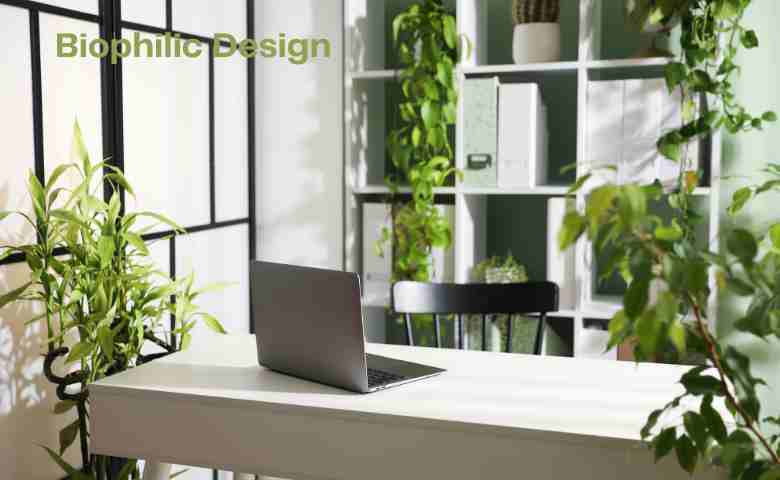
Biophilic design: incorporating elements of nature into the built environment to not only improve the performance of the structure, but to enhance the health and productivity of building occupants as well.
ConstructionCareerHub App is LIVE — built ONLY for construction careers. Don’t apply with a weak resume.
Get ATS-ready Resume Lab + Interview Copilot + Campus Placement Prep (resume screening, skill gaps, interview readiness) — in minutes & Other advanced features.
Explore Smarter Construction Career Tools →Quick check. Big impact. Start now.
While it may have been a trendy buzzword a decade ago, biophilic design has evolved to become a central tenet of a wide range of commercial architecture projects.
From its role in wellness architecture to increased occupant demand for natural elements, keep reading as we explore the various ways that biophilic design is reshaping the commercial construction landscape.
Table of Contents
Wellness Architecture
Comfort. Safety. Productivity. Aesthetics.
All are key priorities in commercial building design.
In 2026, there is another consideration thrown into the mix: wellness.
The concept of wellness architecture has reached full maturity. It explores the ways that the built environment can improve the physical, mental, and emotional wellbeing of occupants.
Biophilic principles are a big part of that.
Connectedness to nature has proven to have myriad health benefits for humans. A few of the most pertinent include:
- Reduced stress
- Improved cognitive function
- Less optical strain
- Lower blood pressure
- Better respiratory function
There are numerous ways to use biophilic design as a part of wellness architecture. Sufficient daylight is a starting point. Skylights. Sliding glass doors. Large window area. They can improve light flow throughout the interior to leverage all of the health-boosting benefits of daylight. Installing architectural louvers into exterior walls is another top option. This allows fresh air to circulate throughout the building while blocking the transmission of moisture and debris. This improves indoor air quality. Live plants, stone accent walls, and exposed wooden ceiling beams are other straightforward means of using biophilic design as wellness architecture.
ESG Goals
The days of the corporate cut-throat are long gone. It is no longer acceptable (on numerous fronts) to recklessly waste natural resources and blight communities in the name of making a buck.
As such, ESG (environmental, social, and governance) is the guiding framework of many modern construction projects. How can the built environment achieve its goals while leaving the smallest footprint possible?
Unsurprisingly, biophilic design principles give construction projects a major leg up on these ESG initiatives.
Living roofs provide natural cooling for the structure while limiting stormwater pollution and urban heat islands. Innovative sustainable insulation options, such as hemp and sheep’s wool, not only provide elite R-value, but are mindfully sourced for next-level sustainability. Permeable gravel parking lots and landscaping offer a stunning stone aspect that more effectively drains precipitation than standard concrete or asphalt surfaces.
Tenant Demand
The goal of any commercial enterprise is to create a customer. If no one’s buying, what’s the point of building?
There is simply no demand for the “concrete jungle” of previous decades.
Modern consumer sensibilities are incredibly conscientious. Nobody wants to be breathing smog. People can’t stand the thought of staring at cold gray walls all day. They need the warmth and variety that nature offers.
Rooftop gardens and finished exteriors are obviously major perks for prospective tenants. However, it doesn’t stop there. Indoor trees, living walls, and spacious walking courts are desirable. They help occupants feel more connected to their space and promote movement and activity while carrying out the day’s tasks.
Methods for Incorporating Biophilic Elements into Commercial Architecture
There are several ways to implement biophilic design into commercial architecture: via direct nature, indirect nature, and/or experience of place.
Direct Nature
This involves the use of actual living elements in the building’s design. Windows for natural light and fresh air. A living moss wall for greenery and toxin filtration. Fountains and fish ponds for the soothing effect of water.
Indirect Nature
Think of patterns, color, and texture. The building’s use of these elements is considered “indirect nature” in biophilic design. A stone accent wall to elicit emotional warmth in occupants. Aqua blue backsplash to evoke a sense of the sea. Granite countertops for a subconscious connection to the earth. It can be a useful biophilic design technique, especially in densely populated areas where connection to direct nature is limited.
Experience of Place
This is biophilic design in its purest form. It prioritizes how a building uses local resources and biology in its design. Using timber from indigenous, downed trees in the area. Native landscaping to reduce maintenance requirements and to attract natural wildlife. Strategic orientation to leverage natural shading and prevailing wind patterns for passive cooling.
No Longer a Trend: Biophilic Design as the New Standard in Commercial Architecture
What once was an emerging trend has morphed into a modern standard. Biophilic design focuses on incorporating natural elements into a structure for improved performance and occupant wellness. Look for architecture projects to find new and innovative ways to leverage biophilic principles in the year ahead. For more of the latest insights in commercial design, explore the content at Construction Placements for additional thought leadership!
Related Posts:
- How to Incorporate Biophilic Design in Construction Projects
- What are the 8 Top Skills to Become an ESG Certificate Holder?
- Incorporating Visual Design Principles in Sustainable Construction
- 5 Creative Ways Construction Is Enhancing Community Wellness
