

Last Updated on February 2, 2026 by Admin
Here’s the uncomfortable truth: most site vehicle issues don’t show up suddenly. They do give warnings—subtle ones at first—but these usually get ignored because everyone’s in a rush, and because they’re, well, subtle.
ConstructionCareerHub App is LIVE — built ONLY for construction careers. Don’t apply with a weak resume.
Get ATS-ready Resume Lab + Interview Copilot + Campus Placement Prep (resume screening, skill gaps, interview readiness) — in minutes & Other advanced features.
Explore Smarter Construction Career Tools →Quick check. Big impact. Start now.
But then a truck fails a roadside inspection, a van won’t start after break, or a supervisor pulls a vehicle off-site for a violation you could’ve caught in two minutes. More uncomfortable truth for you: those are not bad luck, they’re missed signals.
Daily prestart checks are essential for this exact reason. They’re one of the few controls you have that directly protect people, schedules, and margins at the same time.
On construction and engineering sites, vehicles take constant abuse. So the checks need to reflect reality, not theory.
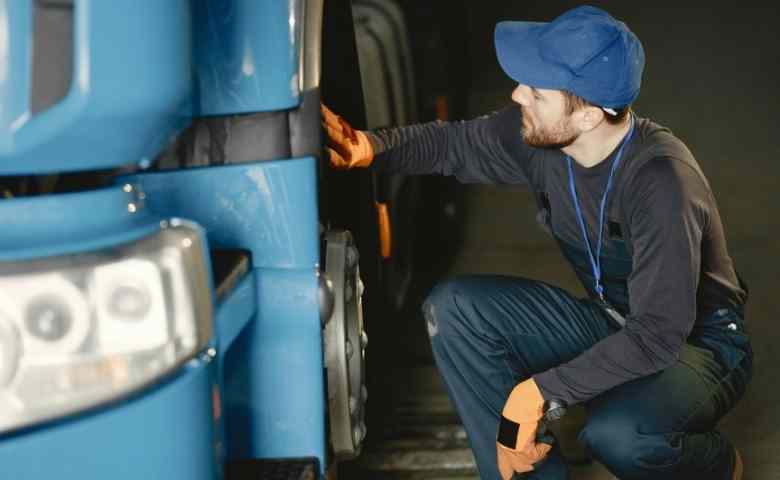
1. Tires: The First Failure Point
Tires absorb everything: weight, sharp edges, rough access roads, rushed parking, etc. So look beyond pressure and tread depth.
Pay close attention to uneven wear, sidewall cuts, or bulges. These things usually point to alignment or suspension issues that won’t fix themselves. And if you want to avoid traffic citations, avoid mismatched tires on the same axle.
2. Brakes: Early Signals Matter
A slow roll test tells you more than a visual check. Squealing, vibration through the pedal, or a longer stopping distance all signal wear or heat damage. And on loaded vehicles, brake performance drops faster than most people assume.
For fleet vehicles that spend most of their time loaded and stopping frequently, choosing long-lasting brake pad options is essential. Good pads can reduce how often those early warning signs show up in the first place.
3. Fluid Levels: Look Past the Caps
Engine oil, coolant, brake fluid, power steering fluid, and washer fluid; you need to check them all. But also scan the ground under the vehicle.
Fresh drips often appear days before warning lights activate, especially on high-use fleet vehicles. And ignoring small leaks is how you end up with big failures mid-shift.
4. Lights and Turn Signals: Visibility Is Compliance
Other things you need to check every day include headlights, brake lights, turn signals, reverse lights, and hazard lights. Low-light conditions, dust, and enclosed sites leave no room for “it’ll be fine”.
None of this takes a lot of time but can save you from big trouble. Also, is essential for compliance.
5. Wipers and Washer System: Non-Negotiable
A dusty windshield is a safety issue. Since wiper blades wear quicker on site vehicles because of grit and debris, make sure you check them and replace them early.
Also, keep washer fluid topped up (plain water doesn’t cut it long-term). And check spray patterns, too as clogged nozzles are common and rarely noticed until rain hits.
6. Load Securement: Physics Always Wins
Straps, racks, cages, and tie-down points all deserve a daily look. A shifting load under braking doesn’t care how short the drive is. Inspectors don’t either because unsecured tools and materials remain a frequent cause of violations and near-miss incidents.
Here are more tips for safe transportation of heavy equipment and machinery.
7. PPE Onboard: The Right Gear Counts
High-visibility clothing, hard hats, gloves, eye and hearing protection should match the site and task. Missing or incorrect PPE causes delays at the gate or pushes people toward shortcuts.
8. First Aid Kit: Check It Like You’ll Need It
Having a kit isn’t enough. Supplies expire, get used, or disappear. So make sure you keep it stocked and accessible.
The latter part is very important: your first aid kit shouldn’t be buried under tools. U.S. safety data shows prompt first aid reduces injury severity and lost work time, but only if the kit is actually usable.
9. Fire Extinguisher: Inspectors Look First
Mounted, charged, tagged, and within inspection date. Vehicles carrying fuel, chemicals, or hot equipment draw extra scrutiny. Missing or unserviceable extinguishers can shut a vehicle down immediately.
10. Mirrors and Cameras: Adjust Every Time
Shared vehicles mean shared blind spots. So adjust mirrors daily and clean cameras and sensors. Dirt alone can make backup systems useless.
Backing incidents remain one of the most common vehicle-related site hazards, but also one of the most preventable.
11. Battery Health: Accessories Take a Toll
Slow cranking, corrosion, or warning lights; if you notice any of these signs, pay close attention. Light bars, radios, inverters, and idle time drain batteries faster than standard driving ever would.
12. Documentation: Downtime by Paperwork
Registration, insurance, inspection records, and clearance paperwork should stay current and accessible. Digital systems help, but inspectors still ask for proof on the spot.
Make the Routine Work
Here’s the thing: a proper prestart takes five to ten minutes. So you don’t really have an excuse not to do it. Build the practice into shift handoffs or toolbox talks, rotate responsibility, and treat reported issues as operational intelligence, not inconvenience.
Prestart checks don’t slow the job. They protect it. And when site vehicles stay compliant and reliable, crews can focus on work instead of workarounds, and that’s ultimately where productivity actually comes from.
Related Posts:
- The Essential Trailer Maintenance Checklist For Construction Professionals
- The 9 Best Utes for Tradesmen
- Essential Tools for Plumbers: A Complete Guide
- Textbooks and Reference Books on Fluid Mechanics
- Expert Aerial Installation & Repair Guide: Tips and Tricks
