

Last Updated on January 22, 2026 by Admin
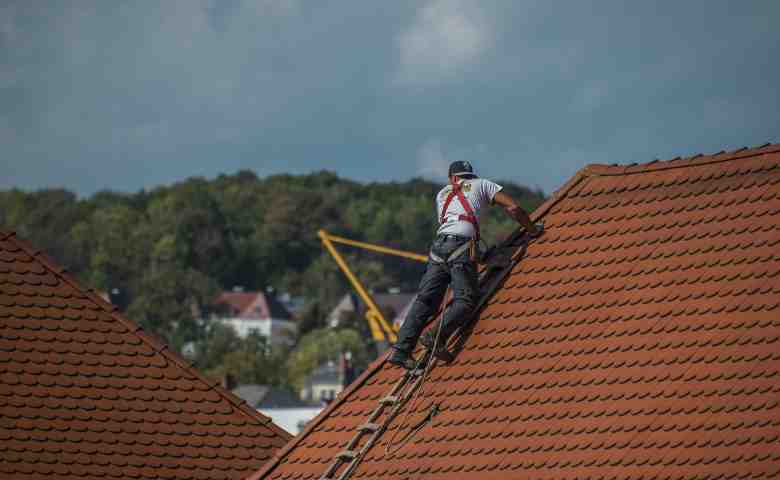
Curious what a roofing contractor does when they climb up on your roof?
ConstructionCareerHub App is LIVE — built ONLY for construction careers. Don’t apply with a weak resume.
Get ATS-ready Resume Lab + Interview Copilot + Campus Placement Prep (resume screening, skill gaps, interview readiness) — in minutes & Other advanced features.
Explore Smarter Construction Career Tools →Quick check. Big impact. Start now.
Homeowners are usually in the dark when it comes to roof inspections. They watch the contractor climb up and roam around for a bit, then hand them a report. But when you know what they’re looking for, you could save yourself thousands.
Here’s the truth…
Roof inspections are some of the most critical maintenance you can schedule as a homeowner. Yet nearly 60% of homeowners didn’t inspect their roof for damage in 2023 or 2024. That’s according to a recent study by Hanover Insurance Group.
Inspections matter.
Let’s dive into exactly what happens during a professional roof inspection. You’ll learn:
- How roof inspections work
- What inspectors look for
- Next steps after inspection
- How to find a qualified inspector
Table of Contents
How Professional Roof Inspections Work
During a roof inspection, a trained professional will examine your roof thoroughly. Your roofing contractor will evaluate every aspect of your roofing system and look for existing issues. They’ll note repairs that need to be made, as well as potential problems and general wear. The inspector will also provide you with an estimated time of how much longer your roof will last. If you need a reliable roofing contractor to inspect your roof, visit www.theroofdoctor.com to schedule your inspection.
Inspectors take pictures and write detailed notes on:
- Structural integrity
- Existing damages
- Areas of concern
- Overall roofing system
Roof inspections can vary on time, but most fall between 30 minutes to 2 hours. The size of your home and number of roofing levels play a factor. Naturally, the inspector needs enough time to get up there and inspect everything.
Once complete, you’ll be left with an inspection report. This breaks down everything that was discovered during the inspection. Not only will you learn of any issues but repairs that need to be made. You’ll even find estimates on what those repairs will cost you.
What Does a Roof Inspector Look For?
Your roof inspector will cover all areas of your roof during their evaluation. There are certain things they look for during each phase of their inspection.
Inspectors start outside and work their way under your roof.
First, they look for visible damage. Whether it be missing shingles, cracked tiles, or damaged flashing. Inspectors look for build-up of debris and moss or algae growth.
Gutters are checked during this stage as well. Debris inside your gutters can cause water to back up onto the roof. Which then leads to leaks and other types of water damage.
Next, inspectors look at your roofs structure.
They check for sagging in areas, uneven surfaces, or other signs of water damage. Inspectors climb up and examine the roof deck and structure to ensure it’s still intact.
Proper ventilation is another priority during roof inspections. Not only does it allow for air to flow, but it also prevents excess build up of moisture. Poor ventilation can cause premature heat damage under the roof’s surface.
Your roofing inspector will look inside your home too.
Don’t worry, they’re not getting into your closets! Most homeowners aren’t aware inspectors peek inside the attic of a home. They check for water stains, mold, and light shining through. All of which are indicators that you have a leak somewhere on your roof.
Insulation is also checked during this stage of the inspection.
Next Steps After Inspection
The inspection isn’t what you call “fun”, but the work doesn’t stop there. Your roofing contractor will now use all of the info they collected to create a roof inspection report.
This handy document will outline any issues with your roof and what can be done about it. Using the report you’ll be able to schedule any and all repairs that need to be made.
Most inspectors include the following in their reports:
- Assessment of your roofs current condition
- Photos of anything they found
- Repairs that need to be made (listed in order of priority)
- Cost estimate for repairs
- How long your roof has left depending on what you choose to do
Some contractors offer free roof inspections. While others will charge you anywhere between $150 to $500. This depends on the size of your roof and what type of inspection you need.
Roof damage is responsible for 70-90% of residential losses during catastrophic events. Repairing small issues now can save you from a hefty disaster down the road.
If something happens to your home, will your insurance cover it?
You may want to look over your homeowners policy and see if inspections are required. Some insurance companies require you to schedule regular roof inspections. Failure to do so can null your policies warranty.
After your inspection, make sure to schedule any and all repairs as soon as possible. The longer you wait, the more damage you’ll ultimately face.
Water damage can spread like wildfire and cause structural issues if not cared for quickly.
Finding the Right Inspector
Roof inspectors aren’t all created equal.
Just like anything else, you get what you pay for. Take the time to find a qualified contractor to inspect your roof. You could be left with missed areas and faulty information.
When searching for roof inspectors, look for these qualifiers:
- Licenses and certifications required by your state
- Are they insured?
- Experience with your specific roof type
- Reviews/google rating
- Communication skills
You should also ask the inspector what their process is when examining your roof. Any reputable professional should be able to answer these questions. If they don’t seem to know what they’re talking about, they’ll likely skip areas during inspection.
Technology has changed the way inspectors look at roofs.
Some use drones to safely access hard to reach areas of your roof. Infrared sensors can detect moisture buildup you can’t see with the naked eye. Advancements like these allow for more thorough and accurate inspections.
Lastly, you shouldn’t just take the first quote you’re given. Get quotes from at least 3-5 contractors before deciding on one. If someone seems too cheap compared to others, they may not do as thorough of a job.
The time of year you schedule your inspection matters too.
Spring and fall are the ideal times to get your roof inspected. Not only is the weather nice, but any damages from winter or summer will be visible. By getting yearly inspections, you can catch these problems before they get out of hand.
You should also schedule an inspection following any major storms. High winds and hail can cause damage that will need to be addressed immediately.
Wrapping Things Up
Professional roof inspections are one of the best ways to care for your home.
Not only does it point out areas of concern, but you’ll know what you have to work with. Inspections are one of the best ways to prevent further damage to your home.
Here’s the lowdown:
- Professional roof inspectors look at all areas of your roof. Exteriors, roofing system, and interiors.
- You’ll be left with an inspection report that details everything that was found. Use this to prioritize repairs and get estimates.
- Find qualified inspectors that will give you a thorough and detailed inspection.
- Regularly scheduled inspections can prevent further damage to your home. They can also keep your home insurance policy up-to-date.
Major roof repairs and roof replacements are costly. Spending a few hundred on an inspection can save you tens of thousands in the future.
Don’t wait for water stains to show up on your ceilings. Be proactive and schedule that inspection today.
Related Posts:
- Construction Building Inspector Job Description and Salary
- What Skills Do You Need for Success as a Building Inspector?
- The Role of Inspections in Meeting Construction Safety Standards
- The Best Roofing Contractors for Your Home: A Comprehensive Guide
